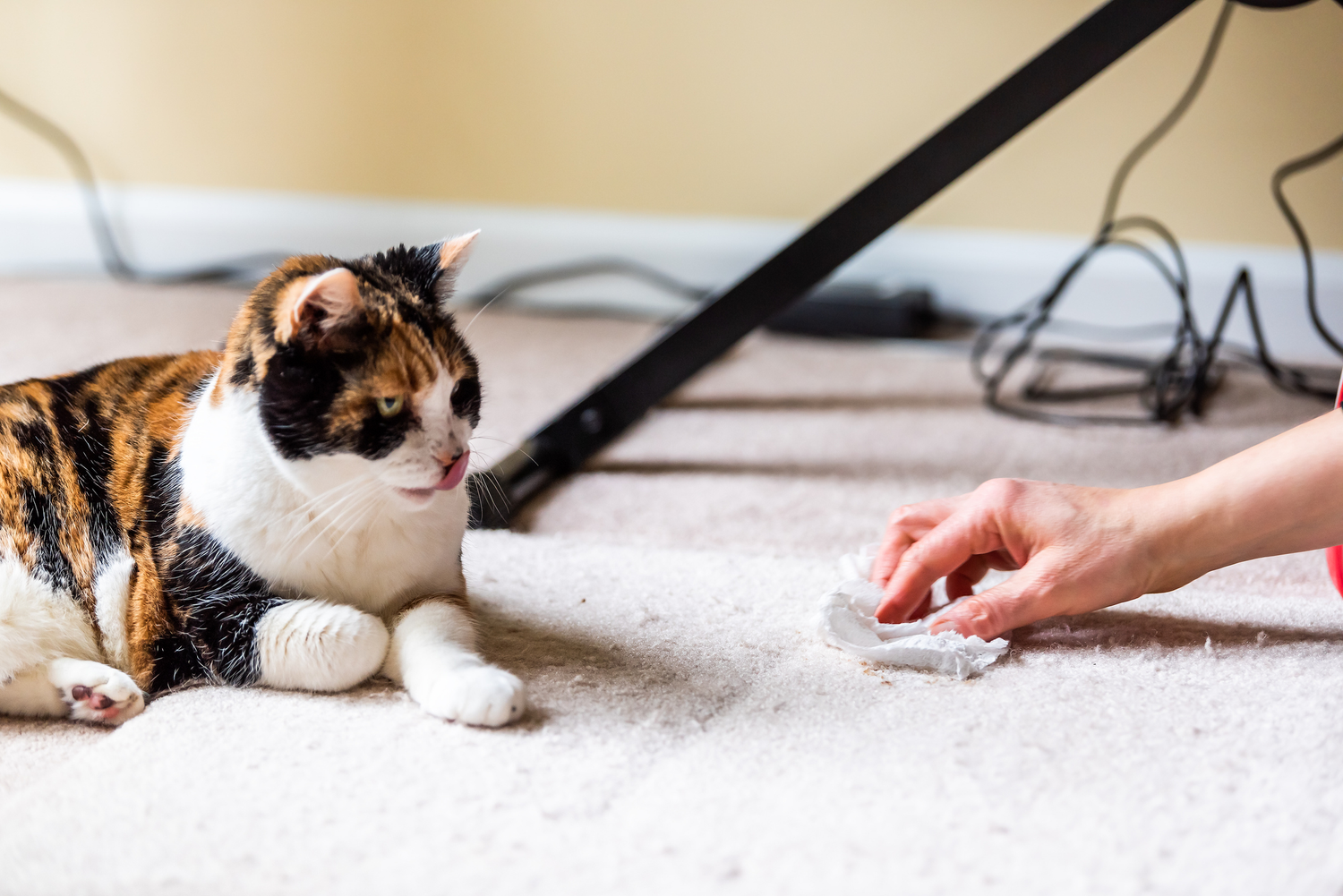
Cats vomiting yellow
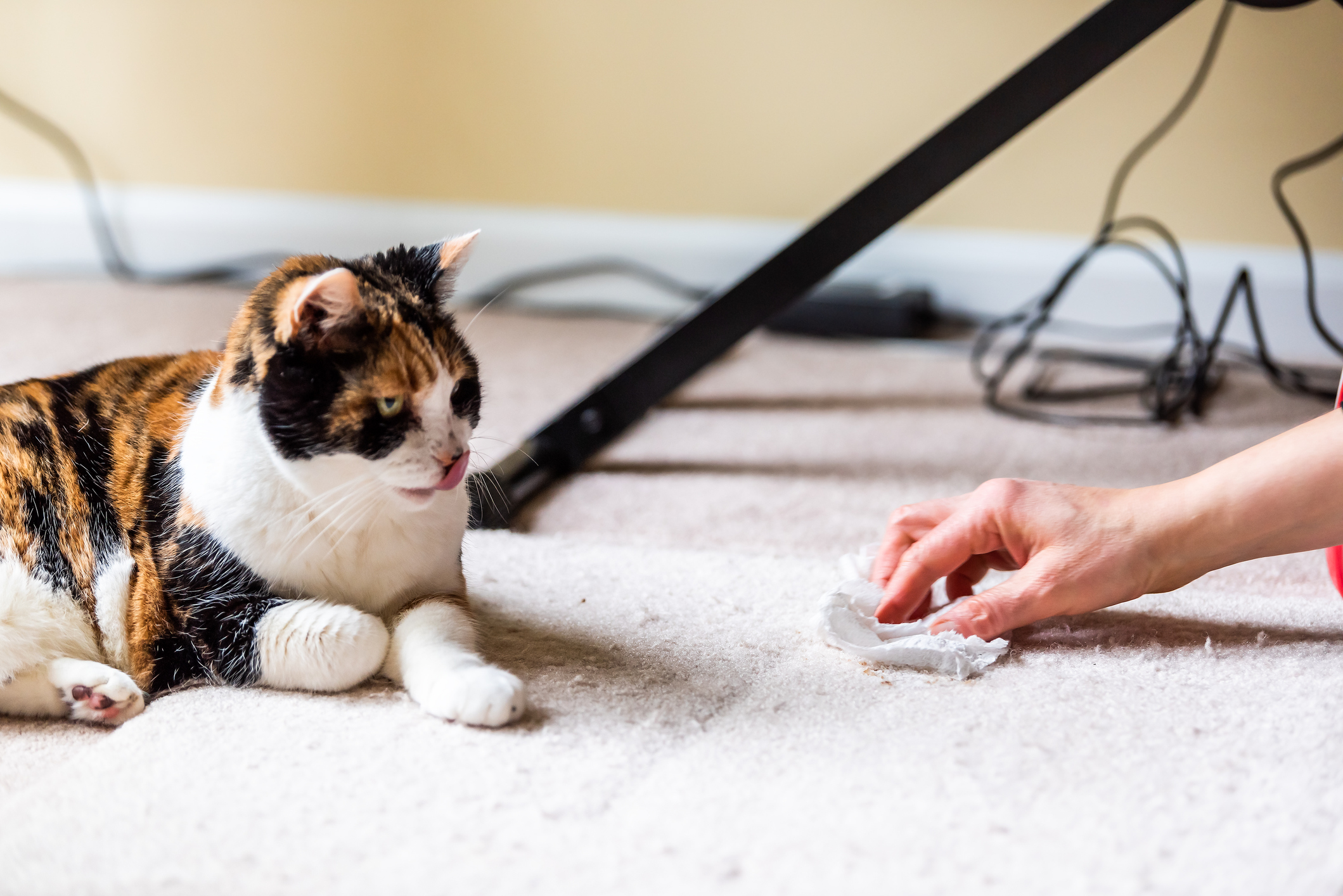
That cats vomit from time to time is not unusual. Normally, it's a reflex to get rid of hairballs that have ended up in the stomach during grooming.
However, in addition to harmless causes, a cat may also be vomiting due to a serious illness. In this case, quick action is required and a visit to the vet is necessary to investigate the cause of the vomiting.
Why do cats vomit?
There are many triggers for cats to vomit. In addition to harmless causes such as hairballs or eating too quickly, diseases, parasites, poisoning, or other health problems can also be behind it.
Vomiting is considered a protective reaction with which the cat's organism defends itself against pathogens or harmful substances. Most cats vomit regularly to get rid of hairs swallowed during grooming from their stomachs. In this way, the stomach is also cleaned. Frequent vomiting is observed in cats during shedding seasons, i.e., in spring and autumn.
However, the cat may also vomit because it recently gulped down too large a meal quickly. For outdoor cats, there is a risk that they fill up elsewhere and then eat again at home. Many cats vomit after eating cat grass. Chewing and eating the long blades of grass triggers a gag reflex, which is often done intentionally when cats feel the need to vomit.
However, one-time or frequent vomiting can also have other causes. These usually come with other symptoms. Triggers include:
- Swallowed foreign object
- Food intolerance
- Gastrointestinal illness such as gastritis or intestinal obstruction
- Poisoning
- Parasites
Diseases that vomiting can indicate as a symptom are:
- Metabolic disorders
- Kidney disease
- Brain diseases or injuries
- Infectious diseases caused by viruses or bacteria
- Thyroid dysfunction
- Tumors
Based on the various possible causes of cat vomiting, it becomes clear how important it is to take this behavior seriously. By looking at the color and consistency of the vomit, one can often already guess whether it is the harmless regurgitation of swallowed hairs or the symptom of a serious illness. To be completely sure, the animal should be examined immediately at a veterinary practice.
Causes of yellow vomit
If the vomit is clearly yellow, it can initially be assumed that there is an underlying illness. The cat may be suffering from fatty liver, gallbladder, or liver inflammation. Kidney or bladder inflammation, blood poisoning, or stress are also possible.
If the cat vomits yellow, it is often bile fluid. This indicates an empty stomach or a bacterial or viral infection.
Symptoms
Vomiting alone is not an illness, but a concomitant symptom. If fever, diarrhea, loss of appetite, or pain also occur, the cause should definitely be clarified.
These symptoms depend on the underlying cause, which only a veterinarian can determine. Possible additional symptoms include:
- Fatigue and poor general condition
- Elevated body temperature and fever
- Diarrhea, loss of appetite, weight loss, and other gastrointestinal symptoms
- Dehydration
- Possibly pain
How to tell if vomiting is a serious problem?
Vomiting in cats is not always harmless. At the latest, if the cat vomits repeatedly, cannot keep food down, or shows other complaints, veterinary help is necessary.
Vomiting in cats is not always harmless. Sometimes, a dangerous illness is even behind it. Even if the cat has been poisoned and its body defends itself against the toxins by vomiting, it is a life-threatening emergency. In any case, immediate veterinary help is then required.
The following symptoms indicate that vomiting is no longer a harmless incident:
- The vomit is discolored and smells very unpleasant.
- The cat vomits several times in a row.
- The cat can no longer eat without vomiting afterward.
- Vomiting is accompanied by other symptoms.
If you notice that the vomit is unusually dark and smells like feces, it could be a life-threatening intestinal obstruction. This must be operated on as quickly as possible. If the cat vomits repeatedly and several times in a row, it indicates poisoning or infection.
But even if cats vomit at regular intervals, such as several times a week or even frequently throughout the day, they should be examined immediately.
Vomiting as a natural protective mechanism of the body
When cats vomit, it is initially a reflex of the body. The organism tries to get rid of harmful substances, pathogens, or indigestible hairballs.
The prerequisite for this is that a specific stimulus activates the vomiting center in the cat's brain. Thereupon, the muscles in the abdomen, diaphragm, and stomach begin to contract until the stomach finally empties in reverse.
This makes it clear: vomiting is a natural protective mechanism by which the body tries to get rid of something. This can be harmful substances after poisoning, but also viruses or bacteria. The cat's stomach also frees itself from hairballs that the cat cannot digest well.
Possible triggers for yellow vomiting in cats
Yellowish liquid or yellow foam in the vomit often indicates bile in the stomach. Possible triggers include digestive disorders, food intolerances, gastritis, parasitic infections, or liver diseases.
It is important to look not only at the cat's behavior but also at the color and consistency of its vomit. If it is a yellowish liquid or yellow foam, one should take action and take the cat to a veterinary practice. A veterinarian will examine it and thus find out the causes of the yellow vomiting. The following lists are possible causes of yellow vomiting. However, this information does not replace a diagnosis.
Digestive disorders
If the cat's vomit is slightly yellow to greenish, it indicates that there is bile in it. This is a digestive juice. It is initially formed in the liver, but storage takes place in the gallbladder. Bile fluid is important for dissolving fats from food and thus supporting digestion, which is why it is released into the small intestine.
If the cat vomits yellow, it can be assumed that bile fluid is in the stomach. It is bitter and causes vomiting. In this case, a digestive disorder, which can manifest itself, for example, as reduced intestinal motility, is to be assumed. In addition, gastritis or inflammation of the intestine are also possible.
Food intolerance
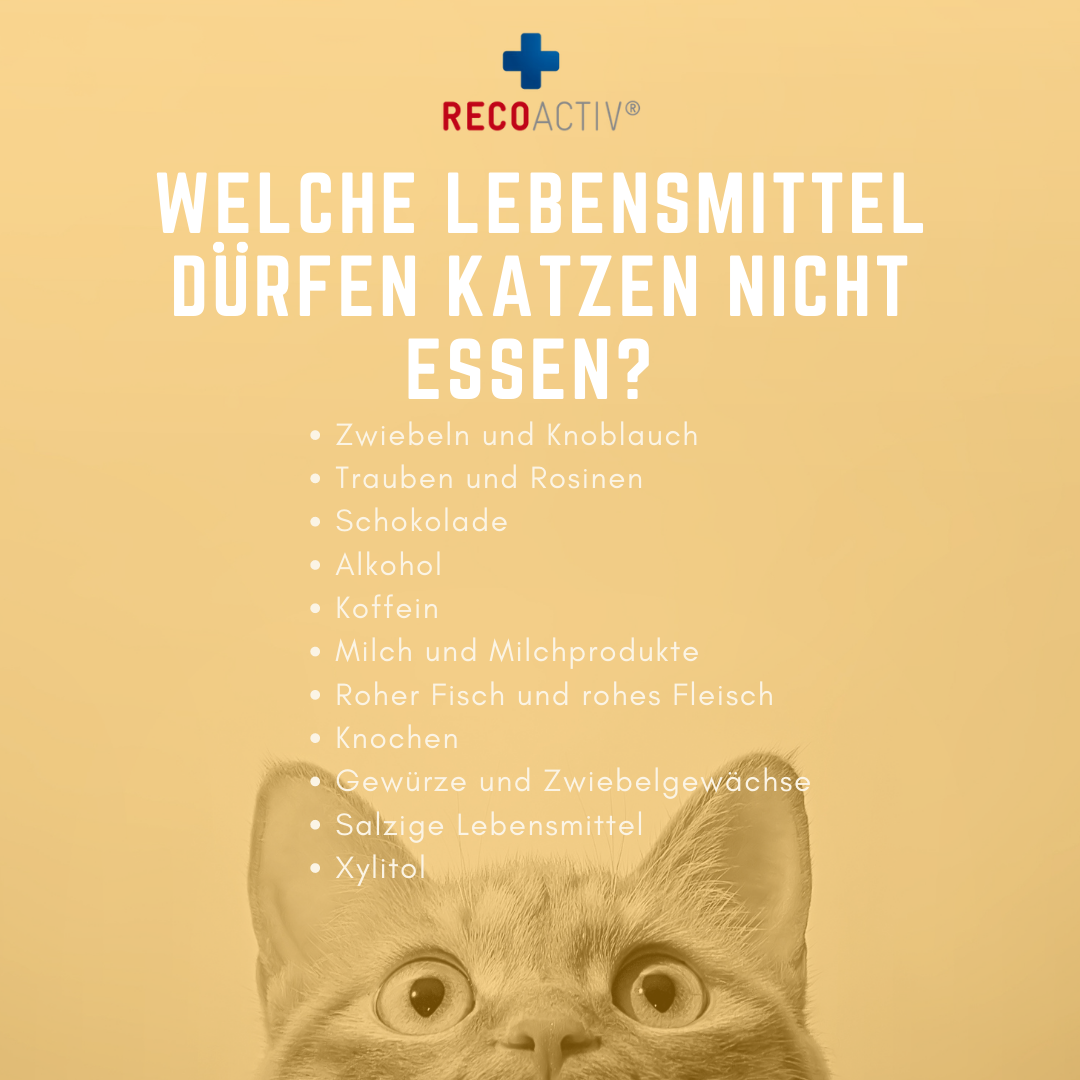
If a cat reacts abnormally to individual components of its food, it is called a food intolerance. This is also not an independent disease but a generic term. Veterinarians divide food intolerance into food allergy, food intolerance, and food poisoning.
In most cases, food intolerance in cats is mild. This is especially true if the affected cat receives timely veterinary treatment. However, in the case of some causes, severe symptoms are also possible, which in turn can develop into an emergency. This is possible, for example, in the case of an allergic shock or severe poisoning.
Gastroenteritis (Gastritis)
In the case of gastritis in cats, a distinction is made between acute gastritis and chronic gastritis. The following signs are often observed:
- Significant weight loss: The cat has less desire to eat and no appetite. This is evident not least in the fact that the cat does not gain weight.
- Vomiting: It repeatedly gags and vomits not only recently ingested food but also yellow mucus.
- Pain: This often manifests in cats through noticeable teeth grinding. It can also be that the affected cat no longer wants to be touched, especially not in the upper abdomen area.
- Excessive drooling: This can lead to the formation of light foam in its mouth.
- Unusual eating habits: The cat eats a lot of grass.
- Lethargy: Many cats sleep particularly much during the illness or go outside less often than usual.
Parasitic infection
Parasites, such as worms, can severely damage the stomach lining and thus trigger vomiting. Often, mucus is also expelled. A parasitic infection should always be treated under veterinary guidance.
Liver diseases
It is not always easy to recognize a cat's liver disease. The symptoms can be very different, depending on the specific liver disease. Initially, non-specific symptoms such as vomiting, diarrhea, or constipation often occur. Sick cats are also often plagued by dull and lackluster fur, as well as loss of appetite.
Many cats suffering from liver disease are noticeably tired or show disturbed behavior. In severe cases, seizures can occur. It also becomes life-threatening if the liver's detoxification function completely fails and the cat falls into a coma.
A clear symptom of such diseases is jaundice. The skin and mucous membranes turn yellowish, which is particularly visible on the oral mucosa and around the eyes. However, jaundice does not always occur. It is possible that no yellowish discoloration occurs in the mentioned areas, even though the cat suffers from liver disease.
In extreme cases, the liver can swell or even change its position, so it can be palpated. Liver disease is also always a case for the vet. They first examine blood and urine to rule out or confirm the suspicion.
Treatment options for yellow vomiting
How a cat with yellow vomiting is treated always depends on the cause. Only after a reliable diagnosis can it be decided which therapy is appropriate.
For example, if a food intolerance has been diagnosed, the food should be changed. The symptoms usually subside shortly thereafter.
Cats that vomit frequently due to illness should not be given kitchen scraps, fatty, or heavily spiced foods. Even in a healthy cat, these foods can lead to gastrointestinal problems.
Fluid intake and hydration
Cats that vomit repeatedly for various reasons lose a lot of fluids as a result. To prevent the affected cat from dehydrating, it must be ensured that it takes in new fluids. In this case, it is even more important than usual to always provide the cat with fresh water.
If the cat still doesn't want to drink, it should be actively encouraged. For example, you can dip a finger in the water and hold it to its mouth. For other cats, it is important to have several water bowls in the home so that they can choose their preferred drinking spot.
A cat that is no longer taking in fluids must be taken to the vet as soon as possible. Water can also be administered to the cat's body with a syringe, for example, if it refuses to take it orally.
Dietary Adjustments
The sick cat should receive a bland diet as long as it is still vomiting. Lean chicken, cooked rice, and grated carrots are suitable for this. Depending on the underlying illness, it may also be necessary to switch the cat to a special diet food.
Home remedies that are suitable for people with digestive problems, on the other hand, should never be fed to a cat without veterinary advice.
Medication Treatment
In some illnesses, medication treatment for the cat may also be considered. Appropriate medications are always obtained from the vet only after a successful diagnosis. Depending on the cause, the following types of medications may be considered for cats:
- Bacterial infection: Antibiotics
- Parasitic infestation of the intestines: Deworming
- Accompanying medication to soothe the stomach: Painkillers
Preventive Measures Against Yellow Vomiting
To prevent yellow vomiting, cats should receive high-quality food, food changes should be made slowly, and meals should be spread out in smaller portions throughout the day if possible.
In addition, there are a few things you can do to prevent yellow vomiting and related illnesses in cats. It is important that cat owners pay attention to a good selection of high-quality food and approach a necessary food change slowly.
Use High-Quality Food
Nowadays, there is a huge range of different food manufacturers and types of food for cats. This makes the selection difficult. It is important not to buy inferior food. It is crucial that it is a so-called complete feed, because it must contain all the nutrients a cat needs throughout the day. Important are, for example, proteins and vitamins, such as vitamin B for cats.
Slow Food Change
If a food change is necessary because the cat is suffering from an illness or no longer tolerates its usual food, it is important not to rush. Giving the cat a different food overnight can lead to it also not tolerating it because its digestive organs cannot adapt quickly enough.
It is advisable to gradually mix small amounts of the new food into the cat's usual food.
Feeding Smaller, More Frequent Meals
In the wild, cats eat small amounts throughout the day, which is why they hunt at regular intervals. Their digestive system is adapted to this feeding behavior. Therefore, cats that live partly or permanently indoors should also be given several small portions a day.
If only a large portion is fed in the evening, the cat is likely already very hungry and begins to gobble down its food. It can also be useful to place dry food between meals, which the cat can eat at will. However, care should be taken to ensure that it does not consume more than the recommended daily calorie intake.
Veterinary Visit for Persistent Problems
If a cat repeatedly vomits yellow or if the symptoms persist despite measures, it should be examined by a veterinarian to determine the exact cause.
Even if the cat shows no other symptoms but has to vomit several times a day or week, we recommend consulting a veterinarian. They can make a diagnosis and initiate treatment for the cat.
FAQ
Yellow vomiting in cats raises many questions because it can have both harmless and serious causes. The most important answers are summarized here for clarity.
Conclusion
Vomiting in cats is primarily a natural protective mechanism. However, if yellow fluid, yellow mucus, or frequent yellow foam occurs, a possible illness should always be considered, and veterinary advice should be sought.
Depending on the type of illness, the cat may suffer from pain, diarrhea, or even cramps. A parasitic infestation, for example, by worms in the stomach or intestines, is also possible.
How affected cats are treated depends on the underlying illness behind the symptoms. To prevent cats from vomiting frequently, they should only be provided with high-quality food and given in small portions throughout the day. In addition, it is important that the cat is not exposed to stress.
FAQ – Frequently Asked Questions
Why do cats vomit yellow?
Yellow vomit in cats often indicates the presence of bile fluid in the stomach. This can point to an empty stomach, digestive disorders, food intolerances, gastritis, parasitic infestation, or liver diseases.
What are the harmless causes of vomiting in cats?
Harmless vomiting in cats is often caused by regurgitating hairballs swallowed during grooming. Eating too quickly or chewing cat grass, which triggers a gag reflex, can also lead to occasional vomiting.
When should you take a vomiting cat to the vet?
A vet visit is necessary if the cat vomits repeatedly, cannot keep food down, the vomit is discolored or foul-smelling, other symptoms such as fever, diarrhea, loss of appetite, or pain occur, or if vomiting occurs several times in a row.
What serious illnesses can be behind vomiting in cats?
Vomiting can be a symptom of serious illnesses, including metabolic disorders, kidney disease, brain diseases or injuries, infectious diseases caused by viruses or bacteria, thyroid dysfunction, and tumors.
How does the vomiting reflex function as a protective mechanism in cats?
The vomiting reflex is activated by a stimulus that targets the vomiting center in the brain. The muscles in the abdomen, diaphragm, and stomach then contract, emptying the stomach. This serves to expel harmful substances, pathogens, or indigestible hairballs.
What additional symptoms can occur with vomiting in cats and indicate a serious illness?
Additional symptoms can include fever, diarrhea, loss of appetite, fatigue, poor general condition, weight loss, dehydration, and pain. These indicate that the cause of the vomiting should be clarified.
What are possible causes of yellow vomiting in cats according to the article?
Possible causes of yellow vomiting include digestive disorders such as insufficient bowel movement, gastritis, intestinal inflammation, food intolerances, parasitic infestations, liver diseases, and gallbladder diseases.
How is a food intolerance in cats defined and how does it usually progress?
A food intolerance is an abnormal reaction of the cat to individual components of its food. It is divided into food allergy, food intolerance, and food poisoning. In most cases, it is mild, especially if the cat is treated by a vet in time.