



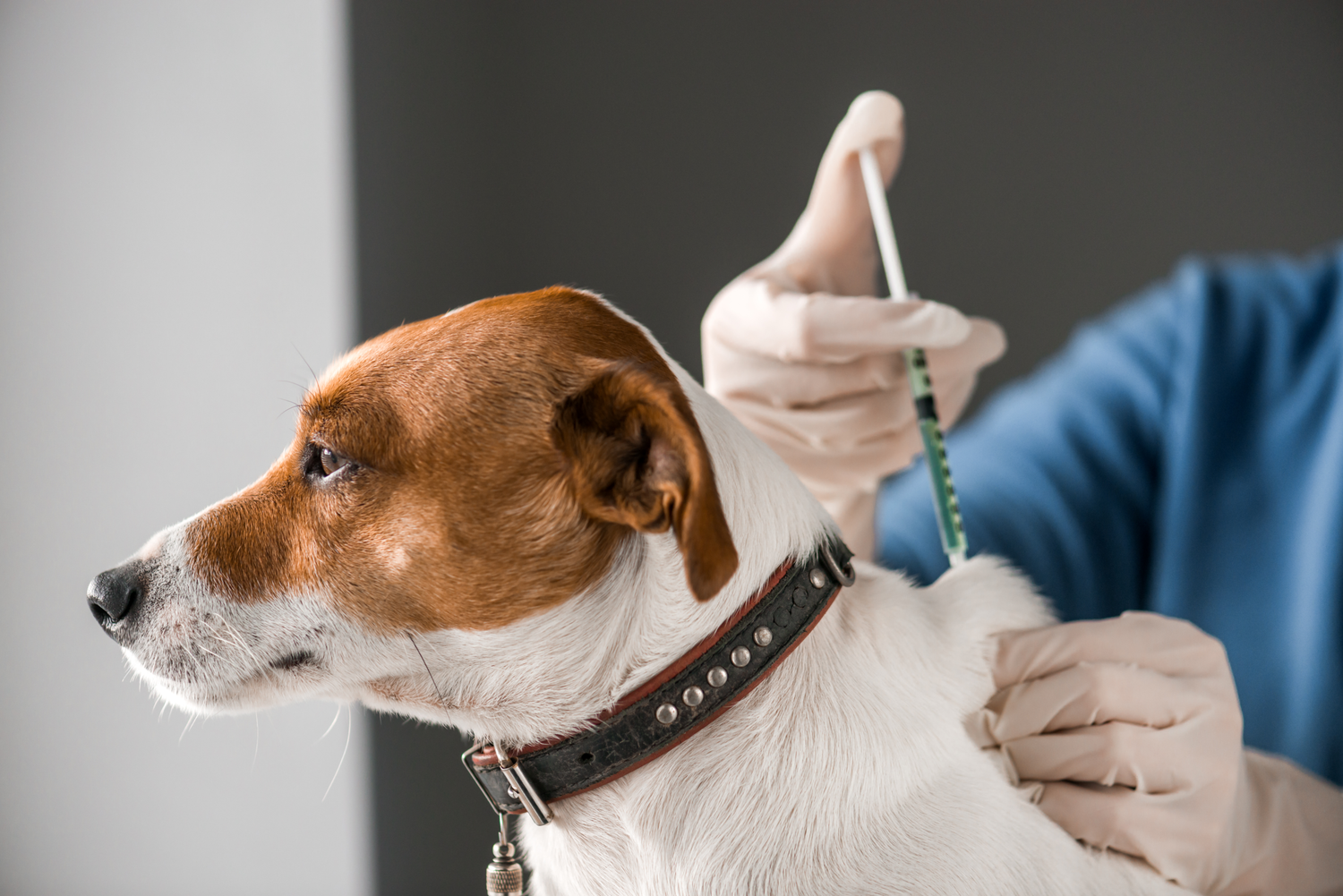
Dog Vaccination: Types and Intervals
Vaccinations protect and can even prolong the lives of dogs. Therefore, dogs should be vaccinated against various infectious diseases. In this context, the basic immunization of puppies plays a crucial role, with regular booster shots being essential.
It is important to understand why vaccinations are so significant for a dog's health. In this article, we provide fundamental information on the topic and also discuss the different types of dog vaccinations.
Dog Vaccination: Why Vaccinations are Important for Dogs
Dog vaccinations help to contain dangerous and highly contagious infectious diseases. This not only protects one's own dog but also other animals with whom it comes into contact.
There's no question: dog vaccinations come with a certain cost. Nevertheless, it is important to consider how crucial vaccinations can be to maintain a dog's health. Dog vaccinations are primarily given against highly contagious viruses and bacteria, which can significantly reduce the risk of infection and associated deaths in many cases.
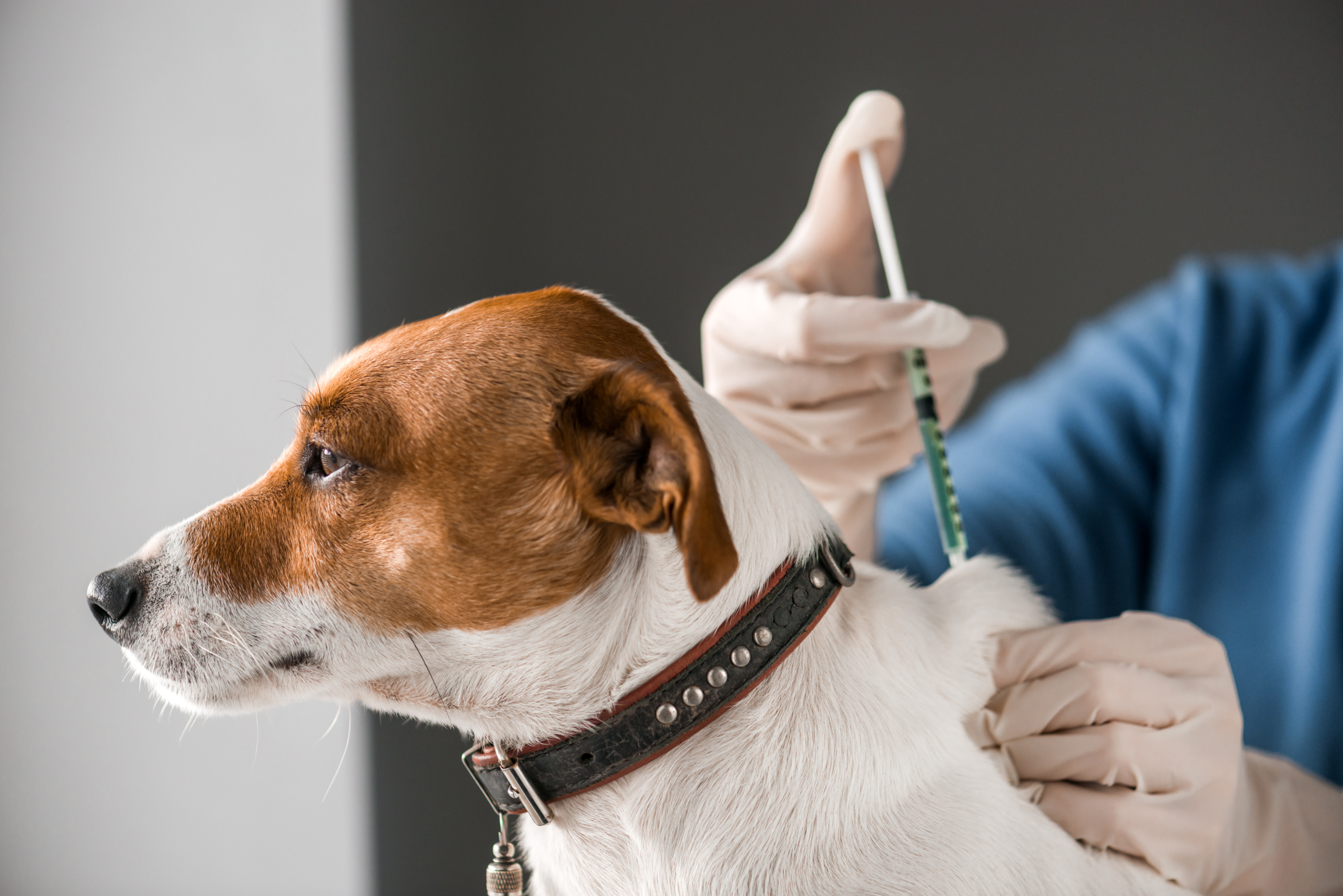
What side effects are possible?
Even though approved vaccines are generally well-tolerated, various side effects can sometimes occur. If you want to vaccinate a puppy, it should be at least eight weeks old. At this age, its body can respond well to the active ingredients, and the probability of severe vaccine damage is minimized.
The following side effects are possible but should subside after a few days and no later than one week:
- Fever
- Fatigue
- Painful swelling at the injection site
- Lack of appetite
If these or similar symptoms are noticed in the dog and persist for longer than two days, it should definitely be taken back to the veterinary practice.
Basic Information about Vaccinations
To understand why vaccinations are important for dogs, one should know what a vaccination is, how it works, and what types of vaccines are distinguished.
What is a vaccination?
Vaccinations protect dogs from life-threatening infectious diseases. A distinction is made between so-called mandatory and optional vaccinations. While mandatory vaccinations target dangerous pathogens that can sometimes be transmitted to humans, certain optional vaccinations can also be useful. However, there are no vaccinations for some diseases, such as joint diseases and arthritis in dogs.
To avoid unnecessarily burdening the dog's body, only vaccinations that are actually beneficial should be given. Individual consultation with the veterinarian is therefore always important.
How does a vaccination work?
During a vaccination, pathogens in an attenuated or inactivated form are brought into contact with the dog's immune system. This is important so that it learns to react properly. The pathogens can be, for example, viruses or bacteria.
Additionally, the immune system in dogs can be strengthened. In another guide, we explain how this works.
Types of Dog Vaccinations
A distinction is also made between inactivated and live vaccines. In the case of inactivated vaccines, the pathogens are no longer active, leading to fewer side effects.
Live vaccines contain pathogens in an attenuated and smaller quantity, so that the corresponding disease does not break out in the dog. Instead, the animals' immune system is given the opportunity to engage with the pathogens. This leads to the formation of antibodies, which are important in case of illness. Dog vaccination can be compared to a shield against diseases.
Vaccination Schedule for Puppies
The basic immunization of puppies is guided by the recommendations of the Standing Vaccination Committee for Veterinary Medicine. The aim is to protect young dogs early against important infectious diseases.
Puppy vaccination is regulated by the guidelines of the Standing Vaccination Committee for Veterinary Medicine (StIKo Vet).
The vaccination schedule is designed to ensure that all young dogs are adequately protected against the diseases listed below. Through vaccinations, they can form corresponding antibodies.
What vaccinations are necessary for puppies?
The guidelines stipulate that dogs should be vaccinated against the following diseases:
- Parvovirus
- Hepatitis
- Distemper
- Leptospirosis
A rabies vaccination is also recommended. There are various vaccine preparations that determine the timing of the booster.
Ages for Vaccinations
At 8 weeks of age, puppies should be vaccinated against parvovirus, hepatitis, distemper, and leptospirosis. The rabies vaccination then follows at 12 weeks. If you don't want to expose your puppy to so many vaccinations, you can also follow a simpler vaccination schedule:
- Vaccination between 8 and 9 weeks against parvovirus, distemper, and hepatitis
- Rabies vaccination only after 12 weeks, preferably individually and not in combination with other vaccinations
Vaccination against leptospirosis should only be carried out if necessary and in any case not before the twelfth week.
Repeat Vaccinations and Booster Shots
For dog vaccinations to provide adequate protection, they must be repeated and boosted. The guidelines of the Standing Vaccination Committee for Veterinary Medicine provide the following:
- Repeat vaccinations against parvovirus, hepatitis, distemper, and leptospirosis at 12 and 15 weeks
- Rabies booster also at 15 weeks of age, depending on the product used
After this, dogs are considered fully immunized. According to the StIKo Vet recommendation, vaccinations against leptospirosis and kennel cough must be repeated annually, and those against parvovirus, hepatitis, and distemper every three years.
In the case of the simpler vaccination recommendation, vaccinations against parvovirus, distemper, and hepatitis are repeated at 12 or 13 weeks and then again at 16 weeks. If desired, a further booster can be given at 6 months of age, as the dogs' immune system is then considered fully developed.
The information provided here is for recommendation purposes only. It does not replace individual consultation with a veterinarian.
Vaccinations for Adult Dogs
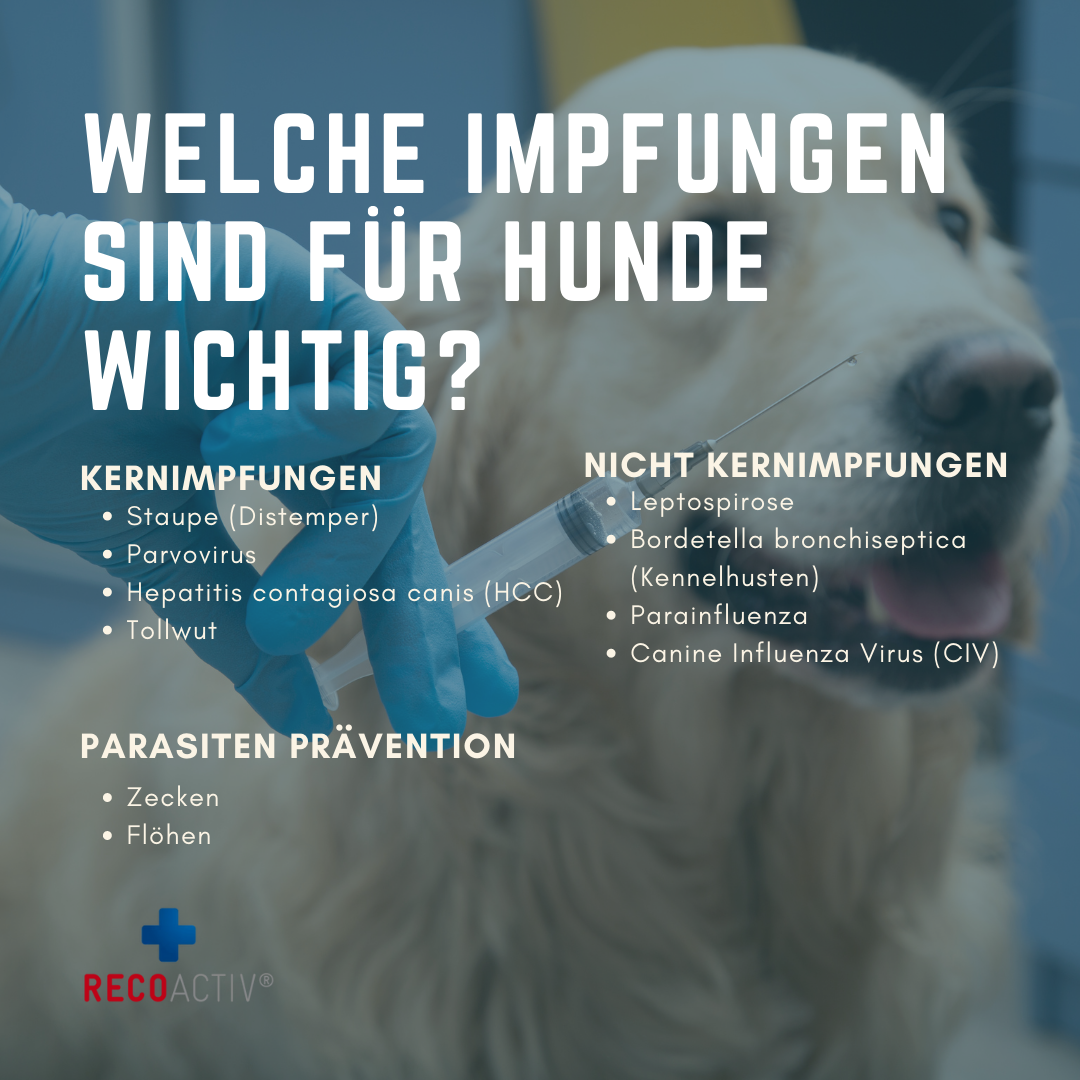
For adult dogs, a distinction is made between core and non-core vaccinations. Core vaccinations should generally be given to every dog, while non-core vaccinations depend on individual risk.
Dog vaccines can be divided into two different categories: core components and non-core components. As the name suggests, core vaccines are those that the dog should receive in any case. They target pathogens that can be particularly dangerous for animals and sometimes even transmissible to humans.
Non-core vaccinations, on the other hand, serve to protect against pathogens with which dogs only come into contact under certain conditions. This is the case, for example, if you want to travel to a specific holiday destination with your dog. Therefore, it is important to always discuss the necessity of these vaccines with a veterinarian beforehand.
Core Vaccinations for Adult Dogs
According to the Standing Vaccination Committee for Veterinary Medicine, the following vaccinations are recommended for every dog:
- Distemper
- Canine contagious hepatitis
- Parvovirus
- Leptospirosis
- Rabies
These diseases are sometimes highly contagious, serious, or even transmissible to humans. Therefore, they are of particular importance for a dog's health care.
Non-Core Vaccinations and Their Importance
Non-core vaccinations protect dogs from the following diseases:
- Kennel cough
- Lyme disease
- Leishmaniasis
- Ringworm
- Babesiosis
- Canine herpesvirus
Whether these vaccinations are advisable primarily depends on the dog's place of residence, lifestyle, and potential travel plans.
Vaccinations for Older Dogs
There are no vaccinations for dogs that increase in importance with age. As mentioned above, puppies should already receive basic immunization.
Thus, the same recommendations regarding booster vaccinations apply to older animals as to dogs in other life stages. However, animals suffering from an acute illness or temporarily receiving immunosuppressive medications should not be vaccinated.
If chronic diseases are present or long-term immunosuppressive treatment is ongoing, vaccination may sometimes be useful or even necessary. Only a trained veterinarian can provide precise information on which booster vaccination is required at what time.
Vaccinations and Legal Regulations
In Germany, there is no legal vaccination requirement for dogs. Nevertheless, important protective vaccinations are urgently recommended and in many cases indispensable from a veterinary perspective.
In Germany, there is no legal requirement for dog vaccination. When referring to so-called mandatory vaccinations, this means the urgent recommendation to protect the dog from highly contagious diseases and thus also prevent the spread of diseases through it. The aforementioned core components are considered indispensable by veterinarians today.
Which vaccinations are optionally recommended?
Optionally recommended vaccinations for dogs include those against kennel cough, Lyme disease, babesiosis, fungal infections, and leishmaniasis. Whether one should subject one's own dog to such a vaccination primarily depends on the place of residence and potential travel plans with the dog.
How often should booster vaccinations be given?
Once the dog's basic immunization is complete, booster vaccinations must be given at regular intervals. How often these are necessary depends on the vaccine and the dog's health status.
Only in this way can the dog's protection be maintained. Normally, booster vaccinations take place every one to three years.
Veterinarians can create an individual vaccination plan for the dog, taking into account its age, health status, and living conditions. This way, dog owners are always informed about the recommended, upcoming vaccinations.
Conclusion – Protecting Your Dog from Diseases with Vaccinations
Vaccinating your dog protects it from severe infectious diseases and simultaneously helps to contain the spread of dangerous pathogens. A suitable basic immunization and regular boosters are crucial.
Dog owners bear responsibility for their dog. This includes having the dog vaccinated to protect it from various dog diseases such as distemper, parvovirus, and rabies. However, vaccinating one's own dog not only protects it but also helps to prevent the unchecked spread of relevant viruses and bacteria.
In Germany, there is no mandatory vaccination for dogs, but there are recommendations from the Standing Committee on Veterinary Vaccination. However, these vaccination recommendations do not replace individual consultation with a veterinarian. The veterinarian has the necessary expertise to create vaccination schedules, taking into account the dog's living conditions, health status, and age.
To ensure optimal protection, it is not enough to vaccinate the dog only once. Booster vaccinations ensure that the effectiveness is maintained long-term. While most vaccines have an efficacy period of three years, others need to be administered annually.
In the context of a combination vaccination, several vaccines are administered at once. This is practical because the dog only receives one injection per vaccination. Dog owners should always ensure that their own dog has adequate vaccination protection.
FAQ – Frequently Asked Questions
Why are vaccinations so important for dogs?
Dog vaccinations help to contain dangerous and highly contagious infectious diseases. They not only protect one's own dog but also other animals with whom it comes into contact, and can significantly reduce the risk of infection and associated fatalities.
What side effects can occur after a dog vaccination and when should one consult a vet?
Possible side effects include fever, fatigue, painful swelling at the injection site, and lack of appetite. These symptoms should subside after a few days and no later than one week. If they persist for longer than two days, the dog should be taken back to the veterinary practice.
Which vaccinations are necessary for puppies according to the Standing Committee on Veterinary Vaccination (StIKo Vet)?
Puppies should be vaccinated against parvovirosis, hepatitis, distemper, and leptospirosis. Additionally, a rabies vaccination is recommended.
What does the recommended vaccination schedule for puppies look like?
At 8 weeks of age, vaccination against parvovirosis, hepatitis, distemper, and leptospirosis takes place. The rabies vaccination follows at 12 weeks. Repeat vaccinations against parvovirosis, hepatitis, distemper, and leptospirosis occur at 12 and 15 weeks, as does the rabies booster at 15 weeks of age, depending on the product.
What is the difference between core and non-core vaccinations in adult dogs?
Core vaccinations are essential vaccinations that every dog should receive, as they protect against particularly dangerous or zoonotic pathogens. Non-core vaccinations depend on individual risk and are only recommended under certain conditions, such as travel.
Which core vaccinations are recommended for adult dogs?
According to the Standing Committee on Veterinary Vaccination, the following vaccinations are recommended for adult dogs: distemper, canine contagious hepatitis, parvovirosis, leptospirosis, and rabies.
How do dog vaccinations work?
During a vaccination, weakened or inactivated pathogens such as viruses or bacteria are introduced to the dog's immune system so that it learns to react correctly and produce antibodies that protect against a subsequent illness.
When should a puppy be vaccinated for the first time?
A puppy should be vaccinated at the earliest at eight weeks of age, as its body can then react well to the active ingredients and the risk of severe vaccination damage is minimized.
