What can cats eat? – Toxic foods
As a cat owner, you should know exactly what cats can eat and what foods should be avoided. Every day, a cat needs not only its owners' attention but also food that tastes good and is healthy for the animal.
Here we provide tips and an overview of what foods a cat can eat and what you should not give to the small predators instead.
What nutrition does a cat need?
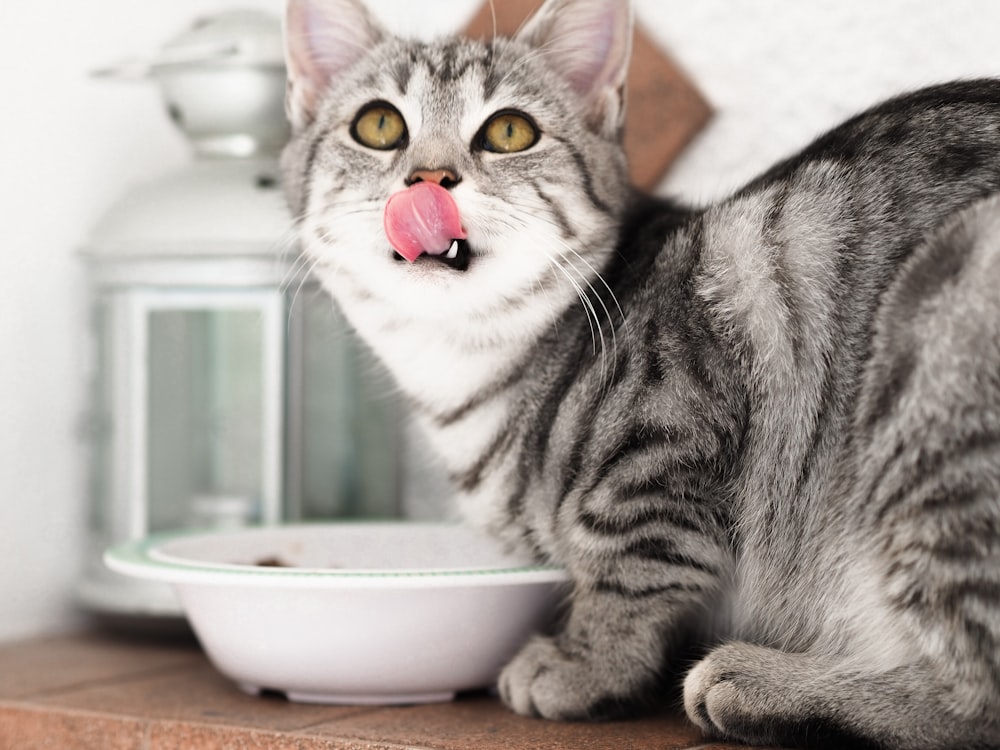
Cats are carnivores and primarily need proteins, fats, and oils. Additionally, they require important nutrients like Vitamin A, Vitamin D, and taurine, while too many carbohydrates can strain digestion.
The cat must receive food that provides it with important nutrients and vitamins and does not cause deficiency symptoms. Cats are carnivores and therefore need proteins, fats, and oils. Carbohydrates should be less abundant, as cats lack enzymes for their breakdown. Therefore, too many can lead to digestive problems.
Important components of good cat food include:
- Vitamin A: good for eyes, skin, and coat
- Vitamin D: strengthens intestines, kidneys, and bones
- Amino acid taurine
Most importantly, cat food should be tailored to the individual needs of your cat to contribute to a healthy diet. The composition of the food partly depends on the cat's health, age, and activity level.
Cat food as the main food
High-quality cat food can be fed in dry or wet form and should be adapted to the cat's needs. The cat's digestive system is not suitable for a purely vegetarian or vegan diet.
High-quality cat food can be purchased in dry or wet form for feeding a cat. The products are offered by different manufacturers and consist of various components. Some cat food varieties mainly consist of meat, while others have vegetables mixed in. A cat's digestive system is not suitable for a purely vegetarian or vegan diet.
Whether to give a cat dry or wet food, or even mix both, depends on both the cat's needs and the owner's living situation.
Dry food
Dry food for cats is characterized by containing only 12 percent or less water. It is particularly crunchy and can reduce plaque or tartar formation in cats. In addition, dry food is very practical and can be stored for a long time even after opening.
Wet food
Food for cats with a water content of 75 to 80 percent has the advantage of being particularly fresh and therefore tasting very good. It also smells more intense, which encourages many cats to eat.
Another advantage is that cats largely cover their fluid needs just by eating wet food. This is particularly useful for animals that naturally drink little, are prone to constipation or urinary stones, or have kidney disease.
As long as the cat food is in its original packaging, it can last for a very long time. So it's definitely worth buying a few packages in advance. This way, you always have some on hand, even if you can't go shopping. The practical thing about it is that no preservatives even need to be added to the wet food for this.
Ultimately, wet food can also help successfully prevent a cat from becoming overweight. Due to the high water content, the calories are somewhat diluted, making overdosing difficult.
A problem can be that wet food spoils much faster in the open air than dry food. Therefore, you should regularly check the cat's feeding places and dispose of leftover food as soon as possible before it develops an unpleasant odor.

Soft-Moist Food
Semi-moist cat food consists of about 18 percent residual moisture. Therefore, the kibbles have a soft consistency. Many cats prefer them over dry food.
Objectively speaking, it also has many advantages. The taste is very well preserved through a gentle cooking process. In addition, the demand for a healthy diet is met by a high fresh meat content, the necessary animal protein, and an enrichment with vegetable or fruit mixtures. Gluten-containing grains, on the other hand, are not included. Many cats enjoy such foods.
What can cats eat besides cat food?
In addition to cat food, cats can also eat some natural foods such as meat, fish, cooked vegetables, certain fruits, and small amounts of cooked eggs. It is always crucial that the food is digestible for cats and prepared appropriately.
Of course, a cat can also eat other things besides cat food. However, it is important to ensure that you do not give your four-legged friend foods that could be harmful to them. Therefore, we have compiled some things that can gladly be on a cat's menu besides cat food.
However, when making a selection, it is still important to consider the cat's needs and find out through trial and error what suits it best and what it likes.
Optimal Supplement: Meat
Cats are naturally carnivores, so there's no reason not to feed them meat as a supplement. It contains many valuable proteins for the cat. The type of meat you choose plays a minor role. However, pork should be avoided as it can contain the Aujeszky virus. Although harmless to humans, this can be fatal to cats in the worst case.
A cat usually develops specific preferences, which you can certainly follow. To find these out, however, different types of meat must first be tried.
Preferably, the meat should be well cooked before feeding. In addition, the resulting broth can also be provided for the cat to drink.
If the cat is to eat raw meat instead, ensure it is fresh and of high quality. After all, any bacteria and viruses present will remain in it and could cause harm in the cat's body.
Popular Alternative: Fish
Fish is also allowed for cats, and many particularly like it. It makes sense to cook the fish before feeding and remove the bones. In this context, it makes sense to opt directly for a boneless fillet piece.
In addition, tuna or canned fish can also be fed to cats. However, it is advisable to drain some of the oil in which the fish is located before giving it to the cat.
Ideal Snack: Vegetables
Cooked vegetables like carrots, beans, broccoli, asparagus, cucumbers, pumpkin, or peas make suitable small snacks. Offering vegetables to cats in raw form is not sensible, as they will usually not accept them. Some vegetables, such as potatoes or eggplants, are even toxic to cats when raw.
Addition to dry food: Fruit
Occasionally, cats even like fruit. This is particularly good for mixing into a bowl of dry food. The cat will certainly be happy with a piece of watermelon or a peeled apple slice now and then, but berries are also sometimes enjoyed by cats. It doesn't matter whether they are blueberries, blackcurrants, raspberries, or strawberries. Of course, you should make sure that they are not poisonous, such as the red rowanberry.
For younger kittens: Dairy products
The image of kittens drinking milk is widespread. However, it should be known that cats cannot tolerate lactose and can therefore get abdominal cramps and/or diarrhea from it. Cats do not need milk, but you can certainly pamper them with special cat milk now and then. This contains no lactose and is therefore less harmful to the furry friends.
Kittens that still need breast milk during rearing, in turn, must receive a specially developed milk substitute. This is usually available in powder form and must first be mixed. If the mother cat naturally produces too little milk or if the kitten was separated from her early, this milk is a good substitute for kittens.
Sunday Breakfast: Eggs
Eggs are rich in protein and high-quality fats, and they also contribute to a shiny, thick coat in cats. However, you should not give them raw eggs. Cooked, they are perfectly allowed. But the quantity is also crucial, as a whole egg might be too much for a cat. Instead, it's better to give them a bit of your own breakfast egg.
What should cats preferably not eat?
Besides well-tolerated foods, there are also foods that cats should preferably not get. These include many dairy products for adult animals, heavily spiced dishes, certain types of fish, and raw vegetables with problematic ingredients, among others.
In addition to things that are particularly tasty or digestible for cats, there are also things they should definitely not eat. The insidious thing about this is that in many cases these are foods that are quite delicate and harmless for humans.
Nevertheless, you must not store food where it can be easily reached by the cat. In the worst case, the cat will get an appetite and eat the food that is toxic to it. If this happens, an immediate visit to the vet is necessary!
Butter, Cheese & Milk
Cow's milk and dairy products, including cheese or quark, are not inherently toxic to cats. During lactation, kittens even need milk to grow into adult, healthy cats. However, they receive this from their mother or a supplementary powder that must first be mixed and then fed to them. At this stage, the bodies of small cats produce lactase. Just like in humans, this breaks down the lactose contained in dairy products.
Adult cats no longer need milk, and therefore their bodies stop producing lactase. Nevertheless, they are often still crazy about milk and dairy products, which they then do not tolerate well. Therefore, they are not suitable, as many assume, for a treat in between.
Certain types of fish
Even though cats love to eat fish, certain types should not be fed to them. Cats can eat tuna, but the amount must be carefully monitored. In moderation, tuna is a true delicacy for cats. However, if they eat too much of it, it can lead to kidney problems or other illnesses.
One fish dish that should never be fed to cats is pickled herring ("Rollmops"). The reason for this is its particularly high salt content, which can cause discomfort in cats.
Raw vegetables
Raw vegetables, such as potatoes and eggplants, contain the toxin solanine. This can severely damage the mucous membranes of cats and also lead to diarrhea, cramps, or even respiratory paralysis in the animals. Raw potatoes also contain a high amount of starch, which is not good for either humans or cats, as it cannot be digested.
Tomatoes also contain solanine. This only becomes harmless for cats when the vegetable is overripe. Solanine is also rendered harmless during the cooking process, which is why vegetables should always be gently cooked before they can be added to cat food.
Spices: Salt, Pepper & Chili
Strong spices, including salt, pepper, and chili, are highly unsuitable for cats. Therefore, they should not be given sausage or other seasoned foods. The spices can put a severe strain on kidney metabolism.
Moreover, spices like pepper, chili, curry, and nutmeg are far too intense for a cat's sensitive senses and should therefore not be offered to them.
Which foods are poisonous for cats?
Cats do not reliably recognize whether a food is poisonous for them. Therefore, it is the owner's responsibility to consistently keep dangerous food out of reach and to act quickly in an emergency.
Cats are picky animals. Therefore, they don't eat everything and carefully check unfamiliar foods with their sensitive noses before consumption.
However, cats don't always recognize whether a food is poisonous for them or not. Recognizing this is therefore the responsibility of cat owners. If there is one or more cats in the household, toxic items should not be within their reach.
Grapes & Raisins
Grapes contain oxalic acid in their seeds. It is suspected that this is responsible for the discomfort in cats associated with eating grapes. The cat could suffer from diarrhea or vomiting, and in the worst case, kidney failure could occur.
In comparison, raisins may resemble tasty cat food in texture, but they are even more dangerous for cats than grapes. The substance from the seeds that is so poisonous to animals is contained in them in an increased concentration. Therefore, no risk should be taken, and instead, after a snack, the floor should always be searched for leftovers.
Chocolate
For us humans, chocolate may be a delicious treat that can even trigger feelings of happiness. However, cats should under no circumstances get it between their teeth. The reason for this is the substance theobromine it contains.
Even in small quantities, this can lead to vomiting, diarrhea, panting, increased breathing, restlessness, muscle tremors, and in the worst case, convulsions or even death. The darker the chocolate, the more dangerous it is for the cat, as it has a particularly high cocoa and theobromine content.
Raw Pork
Cats love meat and also need it for all vital processes in their body. However, pork should be avoided when feeding, especially if it is raw. The meat can contain the Aujeszky virus, which can sometimes lead to incurable brain or spinal cord inflammation in cats.
In addition, raw pork often transmits tapeworms, trichinella, salmonella, and toxoplasmosis pathogens to cats.
Avocados
Due to the toxin persin contained in avocados, they are extremely poisonous to cats. Consumption can lead to gastrointestinal problems. However, damage to the heart muscle is also possible and can even lead to death. In addition, an avocado contains a lot of fat, which in turn can lead to inflammation of the pancreas in cats.
However, the pit of an avocado is particularly dangerous. If the cat swallows it, there is an increased risk of intestinal obstruction.
Alcohol
Even a small intake of alcohol is harmful to cats. The ethanol it contains can cause alcohol poisoning. There is also a risk of coordination disorders, also known as ataxia. However, stomach problems or liver damage are also possible.
For this reason, an open bottle or filled glasses should never be left standing in a household with cats. Even if the strong smell of ethanol should deter sensitive cat noses, the cat's curiosity may prevail, and it may try some of the alcoholic beverage.
Coffee and Tea
Even if you swear by coffee or tea yourself: These stimulants have no place when it comes to cat nutrition. The caffeine and theophylline they contain are highly toxic to these sensitive animals.
Even at a dose of 80 milligrams per kilogram of body weight, caffeine, which is also found in black tea, can be fatal for cats. With theobromine, even small amounts pose a risk of poisoning in cats.
Consumption of coffee or tea can therefore lead to severe symptoms in cats such as heart palpitations, vomiting, muscle tremors, diarrhea, convulsions, and shaking. In this case, too: do not leave filled cups around if you have one or more velvet paws in the household.
If a cat has ingested poisonous food, it should be examined by a veterinarian immediately.
BARF for cats with raw meat
BARF can be a species-appropriate feeding method for cats, but it requires a lot of knowledge and responsibility. It is crucial that the cat receives not only muscle meat but also other important nutrient sources in a suitable composition.
Just like dogs, many cats are also fed so-called BARF food. This term stands for Biologically Appropriate Raw Food. This feeding method is considered particularly species-appropriate because it primarily offers cats raw meat.
Raw food is so suitable for cats because they are still predators today, and their digestive tract has not yet fully adapted to living comfortably with humans. In nature, a cat usually preys on small rodents and birds.
However, the meat of these natural prey animals of the cat is usually less contaminated with germs than processed raw meat from beef, chicken, etc. Nevertheless, cats are allowed to eat this too, as they are infected with diseases much less frequently than humans. However, they are susceptible to various parasites.
To properly BARF a cat, you have to make sure that it lacks nothing it needs to maintain its health. After all, wild cats do not feed exclusively on muscle meat but also consume internal organs such as heart, liver, and lungs. They also devour parts of the bones and fur, as these provide important fiber and calcium.
When BARFing, it is important to deal with the cat's needs for the respective vitamins, nutrients, proteins, and carbohydrates. The recipes must be tailored accordingly, for which cat supplements are an option in case of doubt. Factors such as breed, sex, and age, as well as possible pre-existing conditions of the cat, play a role.
When BARFing, you take on a high responsibility for the correct nutrition of the animals and should be aware of this. The question "What can cats eat?" becomes even more important. In addition to raw meat, some cooked vegetables or fruit can also be added. However, it is always important to ensure that it is digestible food for the cat.
FAQ – Frequently Asked Questions
Which nutrients are particularly important for a cat's diet?
Cats primarily need proteins, fats and oils, as well as important nutrients such as vitamin A, vitamin D, and the amino acid taurine. Carbohydrates should only be present in small amounts, as cats lack enzymes for their breakdown, and too many carbohydrates can strain digestion.
Why is a purely vegetarian or vegan diet not suitable for cats?
A cat's digestive system is not suitable for a purely vegetarian or vegan diet, as cats are carnivores and require animal proteins and certain nutrients that are not sufficiently present in plant-based food.
What are the advantages of dry food compared to wet food for cats?
Dry food contains only about 12 percent or less water, is particularly crunchy, and can reduce the formation of plaque or tartar. It is practical, can be stored for a long time, and is well suited for owners who prefer easy handling.
What advantages does wet food offer for cats and when is it particularly useful?
Wet food has a water content of 75 to 80 percent, tastes fresh and intense, encourages many cats to eat, and helps meet the cat's fluid requirements. It is particularly useful for cats that drink little, are prone to constipation or urinary stones, or have kidney disease.
Which types of meat should not be fed to cats and why?
Pork should not be fed to cats, as it can contain the Aujeszky virus, which can be fatal to cats. Other types of meat can be given but should be well cooked to kill potential pathogens.
Which types of vegetables can cats get as a snack and how should they be prepared?
Cats can get cooked vegetables such as carrots, beans, broccoli, asparagus, cucumbers, pumpkin, or peas as a snack. Raw vegetables are usually not accepted, and some varieties such as raw potatoes or eggplants are even poisonous to cats.
Can cats eat fruit and if so, which varieties are suitable?
Occasionally, cats can eat fruit, which is well suited for mixing into dry food. Suitable fruit varieties are watermelon, peeled apple slices, and berries such as blueberries, blackcurrants, raspberries, or strawberries. Poisonous fruits such as rowan berries should be avoided.
How should fish be prepared for cats to feed it safely?
Fish should be cooked and deboned before feeding, ideally as a boneless fillet. For tuna or canned fish, it is advisable to drain some of the oil before giving it to the cat.