Appetite Stimulants for Cats – How to Get Your Cat to Eat Again
If a cat suddenly and unexpectedly loses interest in its food, there can be harmless causes. After all, we humans also have bad days occasionally and then want to eat less.
However, it becomes concerning if the house cat doesn't want to eat anything at all and the loss of appetite persists for several days. We explain what to do in such cases and when a visit to the vet becomes essential in the following article.
When the cat no longer eats or not enough
If a cat no longer eats or eats significantly too little, its behavior should be carefully observed to identify possible causes of food refusal in time.
It is understandable for cat owners to initially worry if their beloved pet suddenly refuses to eat. However, it is important to keep a cool head and not panic. The cat might react sensitively to stress in its environment and then withdraw even more from eating.
It is crucial not to simply ignore its behavior, but to keep an eye on the feline to find out possible reasons for the sudden food refusal.
There are many reasons why a cat refuses food
If a cat stops eating, it doesn't always immediately indicate a serious illness, as harmless triggers such as already consumed food or problems with the food itself can also be the cause.
Is your cat no longer eating? If a cat refuses food, you don't always have to assume the worst right away. In some cases, the reasons are quite harmless. For example, outdoor cats might have already eaten from a neighbor's cat's bowl or caught prey.
For owners, this is unfortunately not always verifiable, as they cannot monitor their pet around the clock. For indoor cats, food intake can be controlled more easily. Therefore, you should observe the cat and its eating behavior as closely as possible if it shows any abnormalities.
The food is to blame
Cats are sensitive animals that rely entirely on their sense of smell and taste. It stands to reason that sudden food refusal is due to the food itself. The following reasons often cause house tigers to leave their food untouched:
- Lack of freshness: If the cat is generally not a good eater, it might leave some food in its bowl. Especially in summer, when temperatures climb, this becomes a common problem. The longer the food sits, the more it loses its freshness. Cats can detect even a faint unpleasant smell with their keen nose and may then leave the food.
- Spoiled food: Even worse for the cat, however, is if the food is already spoiled. For this reason, you should never lose sight of the best-before date and store opened bags or cans of fresh food in the refrigerator. It is normal for cats not to touch spoiled food, as it can cause health problems for them.
- Unfamiliar consistency: Food manufacturers occasionally make minor changes to the composition of their products. However, a cat rarely approves of this. It either has to get used to the new consistency or be switched to a different food.
- New food: But even when switching to a new food, caution is advised. For some cats, this can lead to nausea. It is then advisable to gradually mix the new food with the familiar variety.
- Too much food: Cats are known to be creatures of habit. However, they also don't appreciate getting two portions of exactly the same type of food every day. If the house tiger then eventually refuses to eat, that's understandable. Most food manufacturers offer packages that contain various variations of their food. These usually differ in terms of the meat used.
- Sensitivity to certain ingredients: Cats instinctively feel when a food doesn't agree with them. It could be that only certain ingredients contribute to the cat's discomfort, which nevertheless leads to it refusing the entire food. It then makes sense to find out with veterinary help what the cat is so sensitive to and adjust the food accordingly.
Physical ailments as a cause
If there are no organic causes, small appetite stimulants can help make the food more interesting and palatable for the cat.
Possible causes of food refusal can be:
- Inflammation in the mouth: Many cats suffer from inflammation in the mouth or tartar. An important indicator of this is inflamed or easily bleeding gums. Mild tartar can be carefully removed with a fingernail, but it is advisable to have the teeth professionally cleaned by a vet regularly.
- Infections: Due to common colds, a cat can get a sore throat, making it difficult to eat. A blocked nose also spoils the appetite of many cats, as they can no longer smell their favorite food. Another possible cause is gastritis, which is an inflammation of the stomach lining.
- Poisoning: If the cat has previously ingested a toxic plant or other foods toxic to it, it will suffer from severe discomfort due to the poisoning. In these cases, a vet must be consulted immediately. This also applies if the cat has eaten a rat or mouse that died from a poison bait.
Appetite stimulants for cats
If there are no organic causes, cat owners can certainly experiment with small appetite stimulants. These are various means intended to encourage cats to eat. Possible options include certain foods or herbs, as well as tinctures and special products developed specifically for cats.
Appetite stimulants are best in liquid form, as they can be easily mixed into normal cat food and spread their enticing scent there. The cat will then notice from a distance that its food suddenly smells better and more intensely, making it almost impossible to resist.
When are appetite stimulants recommended?
Whether an appetite stimulant is useful for a cat or not depends on why the cat is not eating. There are picky cats who, despite being healthy, often leave a larger amount of their food in the bowl, so it eventually has to be thrown away. These cats often lack variety or simply don't enjoy eating as much as others of their kind. In such cases, appetite stimulants can help make the food more palatable for them.
If a cat is underweight due to consistently eating too little, or even has deficiency symptoms, appetite stimulants usually no longer help. In such cases, a visit to the vet should be made, who can prescribe special food or medication for the cat.
In these cases, appetite stimulants should be avoided
If a cat has always eaten well and then suddenly strictly refuses all food, it should definitely be examined first. Only after an illness has been ruled out does it make sense to use appetite stimulants. Alarm signals are sudden changes in the cat's nature and/or body shape. If it continues to waste away, an appetite stimulant will not help. Getting the cat to eat is often only possible with veterinary support.
If the food type has just been changed, appetite stimulants are also not useful. Owners should experiment with different food types until one is found that the cat accepts freely. Some cats prefer only certain varieties or brands. There is no point in offering a picky cat food every day that it refuses from the start.
Boosting a cat's appetite - some tips and tricks
In addition to classic appetite stimulants, simple everyday measures can also help to stimulate a cat's food intake again.
Besides the additional administration of tasty appetite stimulants, it can also be useful to stimulate the cat's appetite in other ways. Proven home remedies, which we discuss in more detail here, often help.
Lightly warm the food
If the food comes directly from the refrigerator, it usually doesn't smell as strong or may have taken on other odors. Sensitive cats usually notice this immediately and may then have less desire for their cold food portion.
Therefore, it can be useful to gently warm the food first. The best way to do this is in a water bath or microwave. However, care should be taken to ensure that the cat food does not heat up too much or unevenly. A cat's mucous membranes are very sensitive, which would then pose an increased risk of burns.
Stress-free eating
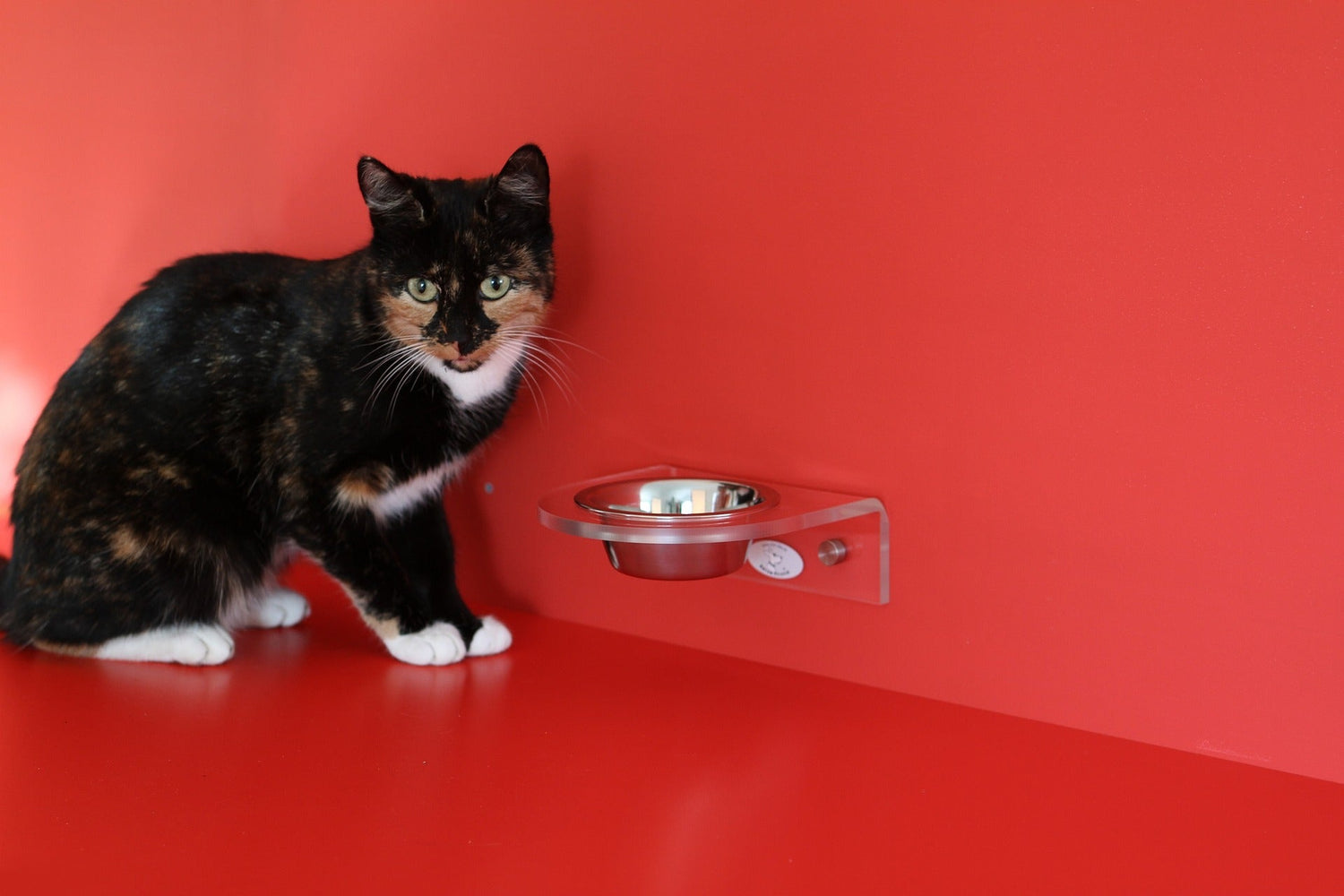
Many cats are very sensitive to stress. Therefore, it is not surprising that it sometimes affects their stomach. Care should be taken to ensure that the feeding place is neither in a high-traffic area nor next to noisy appliances. Most cats do not want to be disturbed while eating, which is why it is not advisable to stroke them during this time.
However, there are also felines who feel so connected to their owners that they don't like to eat alone. In this case, it should be observed whether a cat preferably eats when its owners are also eating.
Snacks instead of large meals
It is in the nature of cats that they do not eat huge portions at once, but rather several small ones spread throughout the day. For cat owners, this means that they should rather feed small snacks occasionally, instead of waiting for the cat with a huge mountain of cat food at every meal.
Focus on high-quality dishes
Since cats are such connoisseurs, it stands to reason that some of them will only accept high-quality food. With food from a pet store, one might assume that it is high-quality food, but this is only half true. While manufacturers who label their food as complete feed must ensure that it contains all important nutrients, this says nothing about whether a food smells and tastes good.
If the cat goes to the food, smells it, and then turns away, it is a clear indication that it rejects it. In such a case, one should do their cat a favor and buy something of higher quality. But what actually makes good cat food and how do you recognize it?
It's worth taking a look at the individual composition. Cat food that is of very good quality usually meets the following criteria:
- Fresh meat content of at least 75 percent
- High protein, low carbohydrate content
- Vegetable additives
- Sufficient amount of animal fat
- Mix of muscle meat and offal in the meat content
Hand-feeding
Some cats need to be coaxed into eating. If the cat is tame and trusts its owners, you can certainly hand-feed it for a while. If this works well, at least it ensures that the cat still gets enough food. However, this method should not be used permanently, as this in turn can lead to the feline no longer wanting to eat independently from its bowls.
Enhancement with appetizing toppings and sauces
If the cat is particularly picky, it may be missing a tasty or at least delicious-smelling sauce in its food. If this is the case, you can enhance it yourself a bit. The best way to do this is with beef fat powder, pastes or jellies, lean and thoroughly cooked chicken, or some tuna. However, these toppings should also be reduced after a while and eventually omitted so that the cat doesn't constantly receive more nutrients than it actually needs.
Massage and acupressure for natural appetite stimulation
Sometimes, certain touches or massages also work wonders. Between the cat's nose mirror and the fur line, there is said to be a point that acts similarly to an appetite stimulant. If this point is pressed very gently, the cat may start eating again.
If it occasionally suffers from bloating, stomach rumbling, or constipation, a gentle abdominal massage often helps. However, some cats don't like to be touched on their belly, as they are particularly sensitive there. One should always pay attention to the small signals that a cat sends with its body. If it lays its ears back, growls, or even hisses, these are clear signs that it doesn't like the touches, which is why one should stop immediately. If it purrs or stretches, however, it means: please continue.
Vary meal times
Most cats like routine. However, if food is served to them at an unsuitable time, this can also lead to refusal. In this case, one should vary and thus best see whether the cat reacts positively to changed feeding times or not.
Playful food intake
Cats are naturally hunters. Therefore, in the wild, they first have to catch their food. Some cats simply miss this stimulation, and eating from a regular bowl bores them. Whether a cat likes to play and is active can usually also be determined by its other behavior. Through practical toys and tasks, a cat can live out its natural hunting instinct.
One example is a so-called snack ball. If the cat rolls it around while playing, a treat will occasionally fall out for it. This has the additional practical advantage that the cat gets enough exercise and doesn't accumulate too much fat.
Resort to valerian and catnip
Certain herbs, especially valerian and catnip, have a stimulating effect on most cats. This makes them more relaxed, but also more active, and they accept new places or objects much faster. Valerian in particular also acts as an appetite stimulant for cats. It should best be placed near the food bowls.
Seasoning for more flavor
If cat food tastes very bland, it can also be seasoned with mild spices or herbs. Canned tuna water is also popular. In any case, it should be noted that the food must not be too salty or spicy, as this is not good for the cat and will only deter it further.
Natural home remedies to increase appetite
Many natural appetite stimulants for cats are already in the household or available in pet stores and can make food more appealing.
Many appetite stimulants suitable for cats are found in most households. These remedies include:
- Brewer's yeast flakes
- Goose fat
- Canned tuna
- Tender, white chicken meat
- Ham
- Cheese
- Curd cheese
In pet stores, you can also find some products that serve as appetite stimulants:
- Vitamin pastes
- Liquid herbs
- Gels with protein, fats, vitamins, and minerals
How long can a cat go without food?
A cat should be presented to a veterinarian no later than 24 hours after refusing food, otherwise serious health consequences can threaten.
Cats should be presented to a veterinarian no later than 24 hours after refusing food. Otherwise, serious illnesses or even death can occur.
Conclusion - Appetite stimulants for cats at Recoactiv
Persistent loss of appetite in cats should never be underestimated, even if eating behavior can often be improved by small changes in daily life or appetizing additives.
Cats are not always good eaters. However, if a cat experiences persistent loss of appetite, this should not simply be accepted. Often, tasty appetite stimulants or changes in feeding routine can already show success.
In general, cats are very sensitive animals that perceive their surroundings with fine senses. If the food provided to them has a slightly unpleasant smell or is even already spoiled, they will no longer accept it. If, on the other hand, the loss of appetite is due to the choice of food, a cautious change or refinement should help.
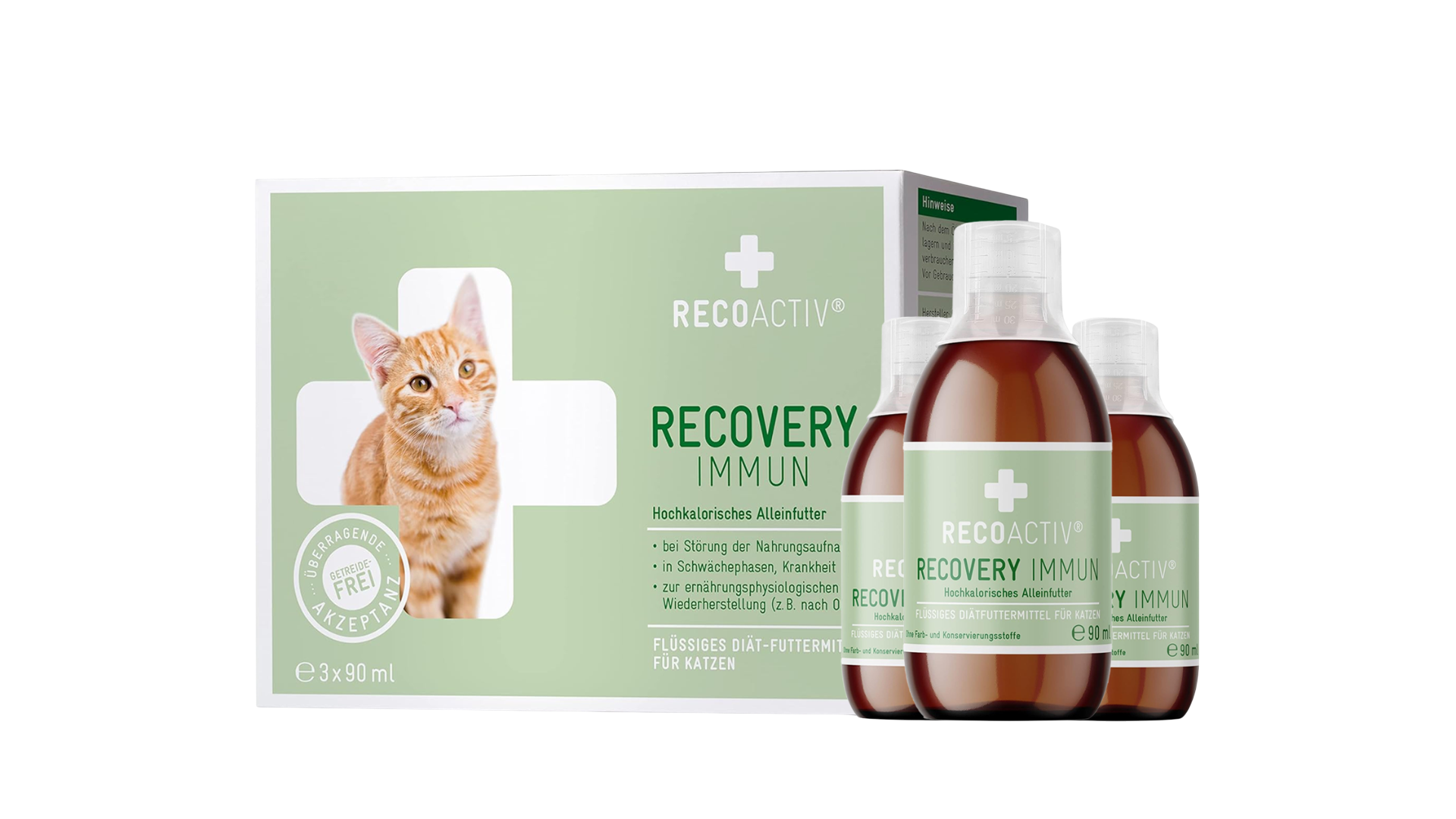
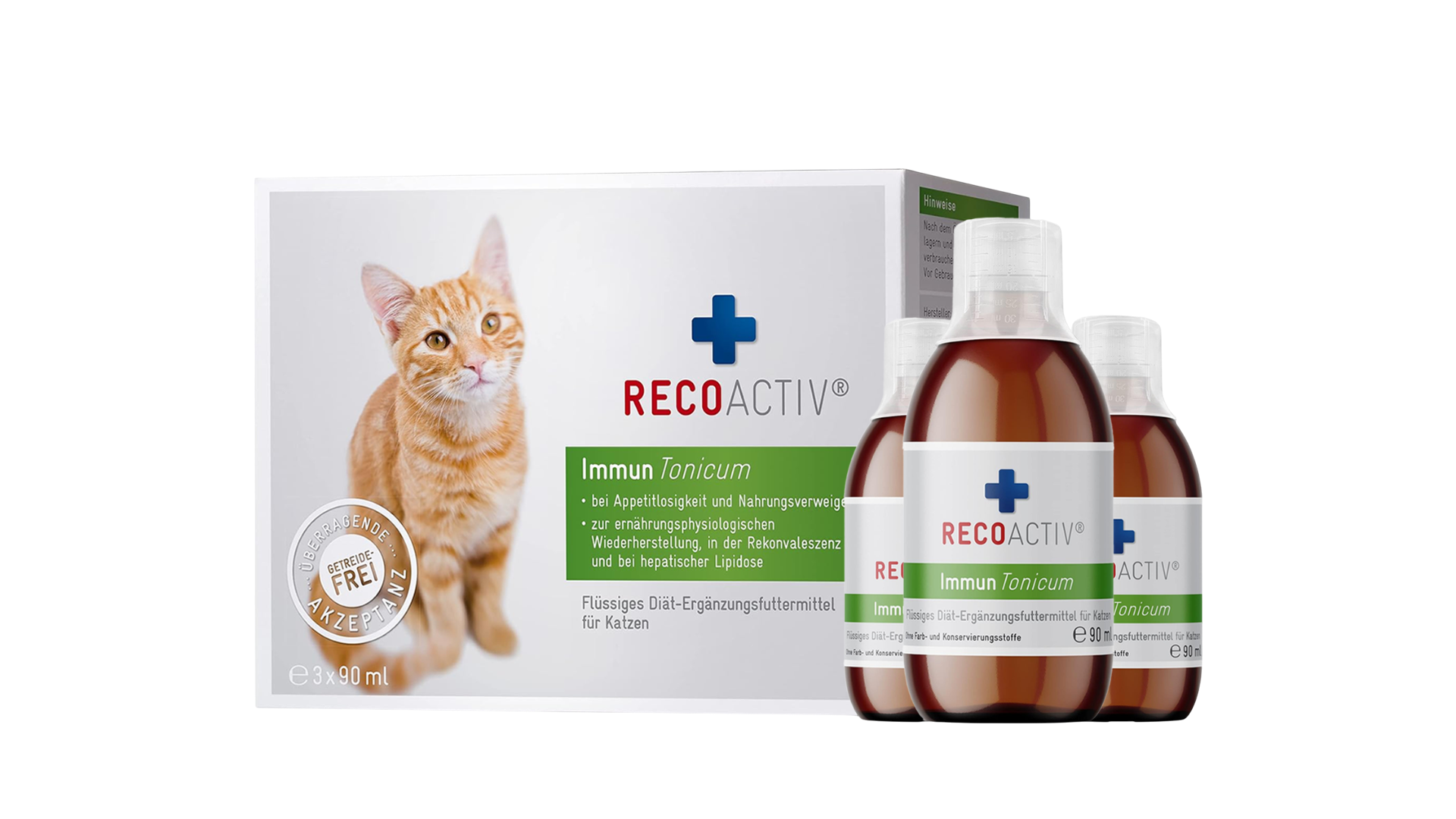
Various appetite stimulants for cats are available at Recoactiv, which can be used for poor eating behavior. Thus, the beloved cat will surely soon joyfully run to its food bowl again to enjoy its meal there.
FAQ – Frequently Asked Questions
When should you consult a vet if your cat stops eating?
A vet visit is essential if the cat's loss of appetite lasts for several days or if physical complaints such as mouth inflammation, infections, poisoning, or other illnesses are suspected.
What harmless reasons can lead to a cat suddenly refusing to eat?
More harmless reasons could be that the cat has already eaten, for example from a neighbor's cat's bowl or by catching prey, or that the food is not fresh enough, spoiled, has an unusual consistency, or is too monotonous.
How can appetite stimulants help cats and when are they useful?
Appetite stimulants can make food more palatable for the cat by intensifying the smell and thus stimulating appetite. They are useful for picky cats without organic causes, who are healthy but eat little or need variety in their food.
What physical ailments can cause a cat to refuse food?
Possible physical causes include inflammation in the mouth or tartar, infections such as sore throat or blocked nose, gastritis (inflammation of the stomach lining), and poisoning from toxic plants or food.
Why can the food itself lead to a cat no longer eating?
Cats are sensitive to a lack of freshness, spoiled food, unusual consistency, or a sudden switch to new food. Too much of the same type of food or certain ingredients can also cause the cat to refuse food.
How should one proceed with a food change to avoid loss of appetite?
When switching to a new food, you should gradually mix the new food with the usual variety to make it easier for the cat to adapt and to avoid nausea.
When are appetite stimulants no longer suitable for cats?
If the cat already has underweight or deficiency symptoms due to persistent loss of appetite, appetite stimulants usually no longer help. In such cases, a veterinarian should be consulted who can prescribe special food or medication.
How can cat owners best observe their cat's eating behavior?
Cat owners should carefully observe their cat's behavior, especially if it suddenly eats less or not at all, to identify possible causes early and, if necessary, consult a veterinarian.