



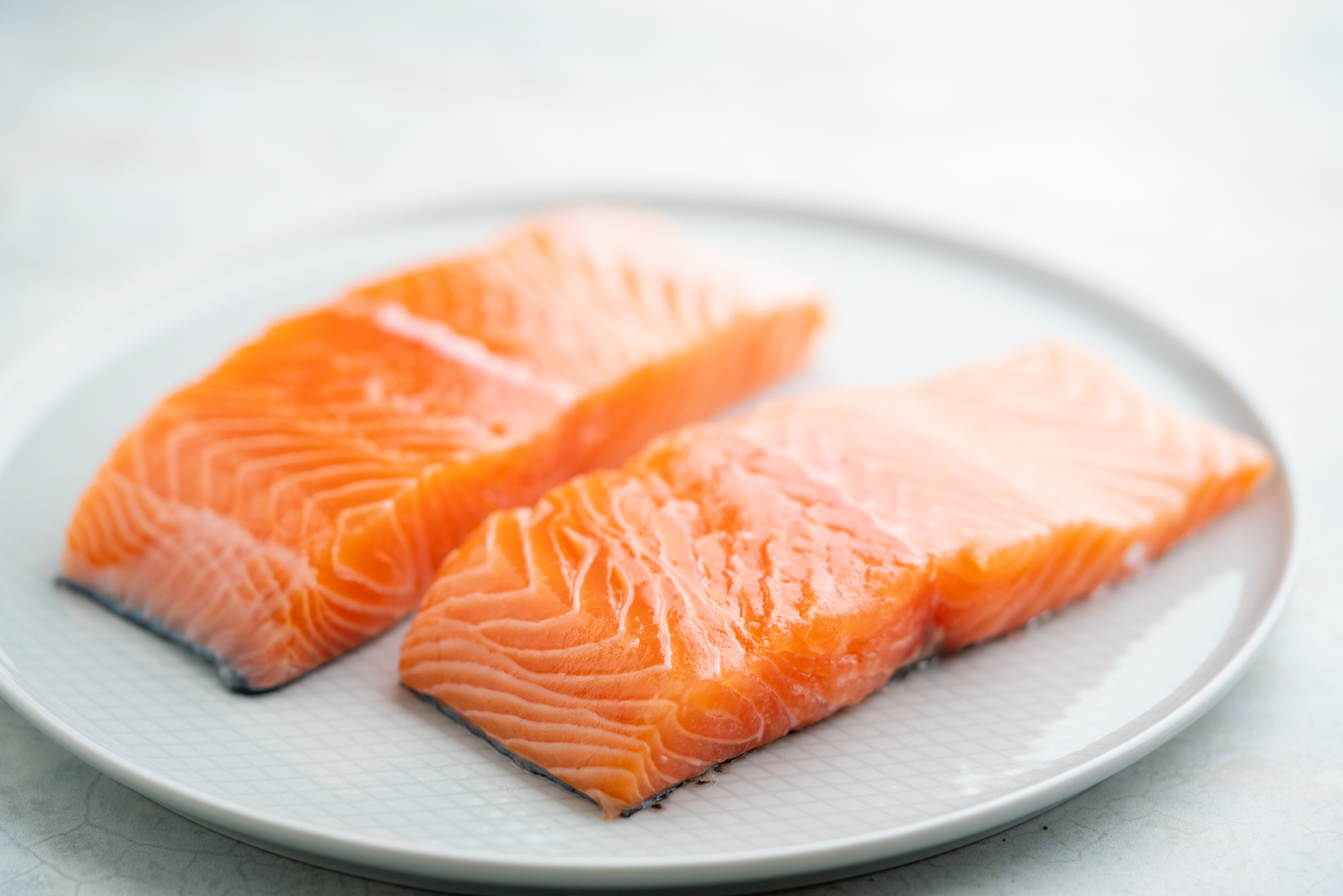
Salmon Oil – Dog
A healthy and balanced diet is important not only for us humans but also for dogs. Our four-legged friends rely on receiving essential nutrients through their daily food. Therefore, dog owners must ensure that their dog receives all important nutrients daily with their food. A dog suffering from malnutrition is more susceptible to various symptoms and diseases.
A popular food supplement for dogs is salmon oil because it contains many important nutrients that contribute to the animals' health. In this article, we will discuss the important properties of salmon oil and explain how feeding it should be done.
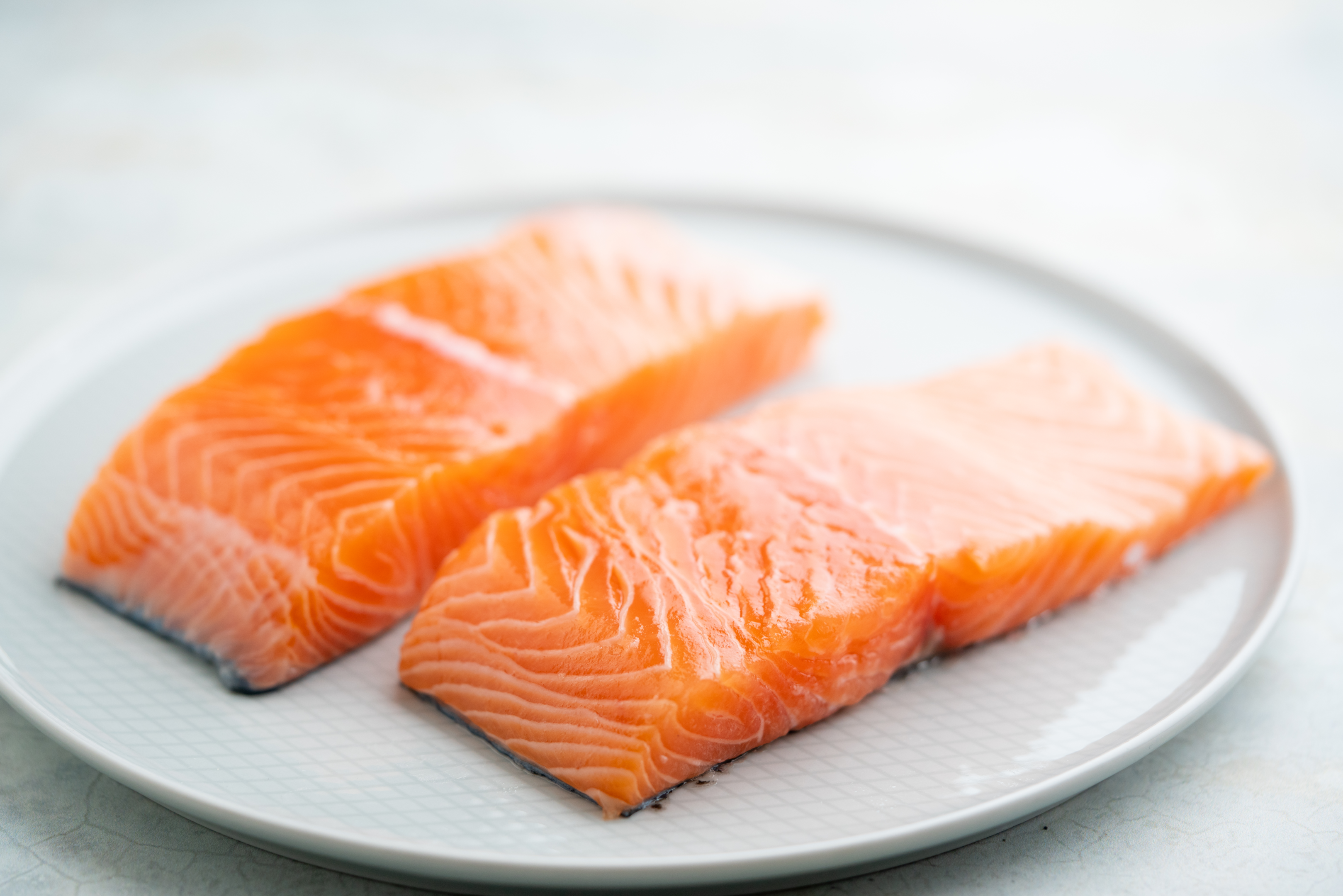
Why Salmon Oil?
For dogs to lead a healthy life, they need certain nutrients every day, such as vitamins, fats, and carbohydrates. These are also found in dog food labeled as "complete feed". However, it is important to ensure that it is high-quality wet or dry dog food.
Improper and unhealthy nutrition can lead to deficiency symptoms in dogs. Depending on which nutrient they lack in their body, this can manifest as hair loss and a dull coat, but also as digestive problems, diarrhea, and vomiting.
Salmon oil is therefore often fed to dogs because it is very healthy and can support vital processes in the body. However, fish oil is only suitable as a nutritional supplement. It is not a complete feed.
Salmon Oil for Dogs: Effects
Salmon oil has many benefits that can have positive and health-promoting effects on dogs' bodies. This is because it contains important active ingredients, such as omega-3 fatty acids, which contribute to high heart health in dogs, for example.
Salmon oil is therefore suitable for preventing certain diseases in dogs. If a dog has already been diagnosed with a disease, a veterinarian must be consulted before feeding salmon oil.
Salmon Oil for Dog Coat
The omega-3 fatty acids contained in salmon oil can contribute to healthy coat growth. This also includes ensuring the coat is shiny, thick, and soft. If the dog suffers from hair loss, salmon oil can counteract it. Frequent signs of a deficiency in certain nutrients are hair loss or a dull and shaggy coat. The linoleic acid found in salmon oil can help with such problems.
At various times, such as during shedding, dogs have a particularly high need for certain nutrients. During this time, administering salmon oil can therefore be particularly beneficial. It provides great support for the healthy growth of new hair.
Normal Skin through Salmon Oil
Some dogs tend to have skin problems, such as redness and flaking or eczema. In these cases, and also with allergic reactions, it can be useful to feed affected dogs salmon oil regularly. The antioxidants it contains are known to accelerate skin recovery.
Support for the Immune System and Heart
To boost dogs' immune defenses and general well-being, the combination of Omega 3 and Omega 6 in salmon oil can be useful. This is particularly important in autumn and winter when dogs are generally more susceptible to illnesses such as colds.
Omega 3 also lowers blood lipid levels, thereby reducing the risk of heart attack or stroke. The dog's organs can be better supplied with important substances due to the promotion of blood circulation often associated with salmon oil.
Salmon Oil for Inflammation
However, omega-3 fatty acids also have other functions. They are anti-inflammatory and can be used both for existing inflammation and as a preventive measure. Salmon oil is often used for inflammation caused by osteoarthritis and arthritis.
Cognitive Abilities and Vision
Salmon oil also contains docosahexaenoic acid (DHA), which can contribute to improving brain function and visual acuity. Senior dogs often benefit from these properties because it can compensate for a decline in memory and vision.
However, puppies can also be given salmon oil to support the healthy development of their brain and retina.
Salmon Oil for Fertility
For fertility in female dogs, the body needs essential fatty acids. Therefore, salmon oil for dogs also plays a significant role in breeding. By supplementing with fish oil, the likelihood of pregnancy can be increased.
Help with Kidney Insufficiency
If dogs suffer from kidney insufficiency, their kidney function is impaired. They then need important nutrients and should be encouraged to eat repeatedly if they have a lack of appetite. Many dogs like the smell and taste of salmon oil, which is why it is very suitable for enhancing dog food.
The omega-3 fatty acids found in salmon oil are also essential for dogs and cannot be produced by their bodies. They often counteract inflammation in cases of kidney insufficiency.
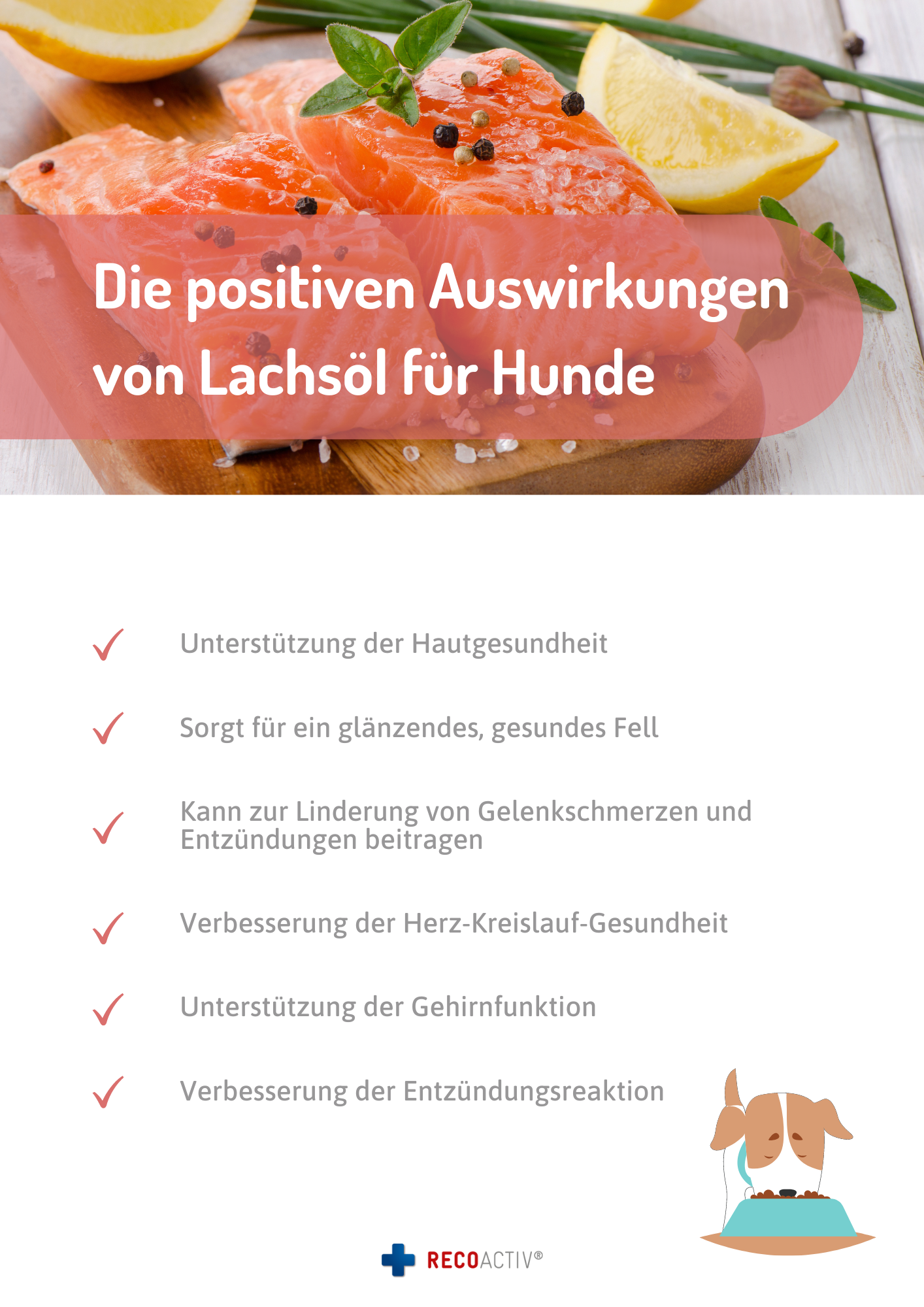
[Infographic]
Which is the best salmon oil for dogs?
Salmon oil for dogs is offered by various manufacturers. When buying, make sure it is a high-quality product that meets the following requirements:
- high quality: High-quality and natural salmon oil is free of any additives.
- high-quality processing: To ensure the oil retains its important nutrients, it should be cold-pressed and gently processed.
- Omega-3 fatty acid content: Salmon oil has a positive effect on dogs if it is rich in the omega-3 fatty acids EPA and DHA. This can be determined by looking at the label.
- Source of salmon: The salmon should be wild-caught and not from a farm. This helps support animal welfare.
- Expiration date: For optimal freshness of the nutrients, the oil should not be fed beyond the stated expiration date.
Correct Dosage of Salmon Oil
For salmon oil to unleash its healthy effects in dogs' bodies, the dosage must be correct. This depends on the dog's characteristics, i.e., size, weight, age, and health status. The exact dosage should best be discussed with the veterinarian. The veterinarian can also advise on whether it is recommended to gradually increase the daily amount.
Salmon oil can be fed either long-term or as a course, for example, during shedding periods. It is best to drizzle the oil over the animal's food. Feeding these products in their pure state is usually not well tolerated by dogs.
It should be noted that salmon oil is not suitable for all dogs. Animals suffering from fish allergies or blood clotting disorders should not receive it. Therefore, you should always consult with a veterinarian before administering salmon oil.
Salmon Oil and Omega 3
Like us humans, dogs also need omega-3 fatty acids for their bodies. The right combination of omega-3 and omega-6 fatty acids is crucial. Since dogs cannot produce both fatty acids in their bodies themselves, they depend on receiving them through their diet.
Dog owners must ensure that there are enough essential fatty acids in the dog food so that the dog can meet its daily needs. It plays a minor role whether the dog is fed according to the BARF principle or receives wet and dry food daily.
Salmon oil contains important fatty acids, which is why it is suitable as a supplement to complete feed. They are particularly important in the case of osteoarthritis in dogs.
Salmon Oil for Puppies Too?
Salmon oil is not only good for adult dogs but also for puppies. Reasons for this are that it can positively influence brain development and social behavior. For many puppies, therefore, regular feeding with salmon oil is an option. However, it should also be discussed with the veterinarian beforehand whether a puppy would benefit from salmon oil or if it should be avoided. This depends, among other things, on the health status of the puppy concerned.
A tip: Puppy food often contains salmon oil or a comparable high-quality oil. This should be taken into account when purchasing. Otherwise, salmon oil can also be bought separately and combined with complete feed for puppies. It is important that puppies and adult dogs receive all the nutrients they need for a healthy life through their daily food.
Side Effects & Disadvantages
Salmon oil is a food supplement. Therefore, it is crucial to find the right amount for your dog. Too high a dosage can lead to side effects. However, the following symptoms can also occur as part of illnesses in dogs. To ensure that the dog is not suffering from an illness, it must be presented to a veterinary practice if any abnormalities occur. These symptoms can occur due to an excessive amount of salmon oil:
- soft stools
- diarrhea
- nausea
- abdominal pain
- flatulence
- bad breath
Since salmon oil is a natural product, it is well-tolerated by most dogs and therefore causes few side effects – if the dog hasn't received too much. How much salmon oil a dog can tolerate depends, among other things, on its body size and general health condition. To prevent side effects from salmon oil, you should discuss the correct dosage with your veterinarian in advance.
How does salmon get into the dog?
Fish oils are usually available in a liquid texture. To administer salmon oil to your dog, you can simply mix it into their daily food. It doesn't matter whether it's wet or dry food, or whether you prepare the food from raw ingredients yourself.
Salmon oil has the advantage that it not only provides important fatty acids but is also readily accepted by many dogs. This is mainly due to the intense and usually appealing smell that the fish oil gives off. Many dogs also love the taste of salmon oil. Thus, it can also be helpful if the dog refuses to eat – provided there are no underlying health problems causing its behavior.
As with any new dog food, with salmon oil you should initially start with feeding small portions, which you can increase later after consulting with your vet. This also helps determine whether the dog is generally sensitive to salmon oil or tolerates it well.
Are there alternatives?
If dogs react negatively to salmon oil, alternative products should be used. Plant-based oils that also contain omega-3 and omega-6 fatty acids are flaxseed oil, walnut oil, coconut oil, hemp, and pumpkin seed oil.
However, other fish oils can also be given, such as cod or pollock oil, as these are also healthy natural products with many important nutrients for dogs.
In addition, there are specially prepared supplements for dogs, such as those we offer at Recoactiv. These are also available in liquid form and can be mixed into dog food just as well. The supplements are well tolerated and readily accepted by many dogs.
Shelf life and storage of salmon oil for dogs
How long salmon oil lasts depends on the form in which it is purchased. If it is fresh salmon oil, it should be purchased in a bottle, as these can be re-sealed well and, depending on the size, can be used up within a short period. The individual expiration date should always be observed.
Once opened, a bottle of salmon oil will keep for about 3 weeks at room temperature. It is important to store it in a cool, dry place. Salmon oil should no longer be fed after 6 weeks at the latest, as it is then highly likely to be rancid.
Salmon oil can also be stored in the refrigerator, but some dogs do not like to be served oil when it is very cold. In this case, it may be useful to pour a small amount for feeding and slowly warm it to room temperature.
Since salmon oil is still liquid at -16 to -20 degrees Celsius, it can even be frozen without problems and will then last for about half a year. This can be an advantage if you accidentally bought too much salmon oil and don't want to throw any of it away.
If the salmon oil is to have a particularly long shelf life and be easy to store, you can purchase salmon oil capsules. It should be noted that these are generally more difficult to dose. If stored in a cool, dark place, salmon oil capsules can last for up to a year. They are usually a little more expensive than salmon oil in a bottle, but you don't have to buy new salmon oil as often.
FAQ
There are a few things dog owners should know about salmon oil. Many dogs love it, but some need it due to its valuable fatty acids. If you are unsure how much salmon oil your dog can have daily, you should always discuss it with your vet.
In this section, we answer frequently asked questions on the topic.
What is salmon oil good for dogs?
Many dogs benefit from regular feeding of salmon oil, but especially those suffering from coat and skin problems. This is because the essential fatty acids in salmon oil have an anti-inflammatory effect and thus prevent deficiency symptoms and associated skin problems.
How much salmon oil does a dog get?
How much salmon oil a dog should receive depends, among other things, on its body size, breed, and age. Manufacturers' recommendations are often found on the salmon oil packaging. To find out how much salmon oil your dog tolerates, you need to have them examined at a veterinary practice. Veterinarians have the necessary knowledge to create individual feeding plans and recommendations for dogs.
Which is the best salmon oil for dogs?
To find the best salmon oil for your dog, you should carefully check the information on the packaging. High-quality salmon oil usually comes from wild salmon, is free of additives, and has been gently prepared. This is the only way to ensure that all important nutrients are still present in the oil.
Very good salmon oil for dogs also has a high content of omega-3 fatty acids, especially EPA and DHA.
Does salmon oil have side effects?
Salmon oil is a natural product that generally causes few side effects in dogs. However, care must be taken not to feed the dog too much salmon oil. An overdose can lead to various symptoms, such as nausea, abdominal discomfort, and diarrhea.
Conclusion
Complete dog foods already contain all the essential nutrients dogs need daily. Nevertheless, dogs can still suffer from deficiency symptoms, for example, if they consume too few fatty acids in their diet. Salmon oil for dogs contains not only omega-3 but also important omega-6 fatty acids, making it a perfect natural supplement for dogs of all kinds.
Salmon oil is usually sold in bottles, as this makes it easiest to dose. You just need to add it to your dog's food, regardless of whether it's dry or wet food or raw meat. Dogs usually recognize salmon oil by its enticing scent, which also makes it suitable for encouraging them to eat.
It is important to store salmon oil in a dark and cool place, as this is the only way to ensure a long shelf life. However, it can also be stored in the refrigerator or freezer. If it has a rancid smell or after the expiration date, salmon oil must under no circumstances be fed any further!
Salmon oil has many good properties; for example, it promotes healthy coats in dogs and supports joints. However, one should not overdo it with salmon oil, as this can lead to an overdose. How much salmon oil a dog can get depends on the veterinarian's assessment. The fish oil can also be fed to puppies.
If the dog doesn't like salmon oil or doesn't tolerate it, you should look for suitable alternatives. We at Recoactiv have developed special nutritional supplements for dogs, which are also easy to dose due to their liquid form. They can help with diseases such as heart failure or joint problems and are also very digestible for dogs.
FAQ – Frequently Asked Questions
Why is salmon oil recommended as a food supplement for dogs?
Salmon oil is often fed to dogs because it is very healthy and can support vital processes in the body. It contains important active ingredients like omega-3 fatty acids, which contribute to heart health, promote coat growth, have anti-inflammatory effects, and strengthen the immune system.
How does salmon oil affect the coat and skin of dogs?
The omega-3 fatty acids in salmon oil promote healthy coat growth, result in a shiny, thick, and soft coat, and can counteract hair loss. Linoleic acid in salmon oil helps with dull or shaggy fur. For skin problems such as redness, flaking, or eczema, the contained antioxidants support faster skin recovery.
What health benefits does salmon oil offer for the immune system and heart of dogs?
The combination of omega-3 and omega-6 fatty acids in salmon oil can boost dogs' immune defenses and general well-being, especially during colder seasons. Omega-3 lowers blood fat levels, reduces the risk of heart attack or stroke, and promotes blood circulation, which ensures better supply of vital substances to the organs.
How can salmon oil help with inflammation and joint diseases?
Omega-3 fatty acids in salmon oil have anti-inflammatory effects and can be used both for existing inflammations and as a preventative measure. Salmon oil is often used, especially for inflammations caused by osteoarthritis and arthritis.
What role does salmon oil play in the cognitive development and eyesight of dogs?
Salmon oil contains docosahexaenoic acid (DHA), which contributes to improving brain function and visual acuity. Senior dogs benefit from it as it can compensate for declines in memory and vision. For puppies, salmon oil can also support healthy brain and retinal development.
What should you consider when buying salmon oil for dogs?
When buying, you should look for a high-quality, natural salmon oil without additives, that is cold-pressed and gently processed. It should be rich in omega-3 fatty acids EPA and DHA, ideally sourced from wild-caught salmon, and have a valid expiration date to ensure optimal freshness.
How is salmon oil correctly dosed and fed?
The dosage of salmon oil depends on the dog's size, weight, age, and health status and should be discussed with a veterinarian. Salmon oil can be fed long-term or as a course, for example, during shedding. It is best drizzled over food, as administering it purely is usually poorly tolerated.
For which dogs is salmon oil not suitable?
Dogs with fish allergies or blood clotting disorders should not receive salmon oil. Therefore, always consult a veterinarian before administering salmon oil.
