



Dog Cold: Home Remedies for Cough, Cold, and Hoarseness
Especially in the colder months, dogs also frequently suffer from respiratory problems. Coughing, sneezing, and occasional sniffling don't necessarily indicate a serious illness, but they should be monitored carefully.
A cold in dogs can have various causes. Besides a classic infection, stress, allergies, or other irritations can also be a factor.
This guide shows what causes are possible, what treatment options help, and how home remedies can alleviate the symptoms.
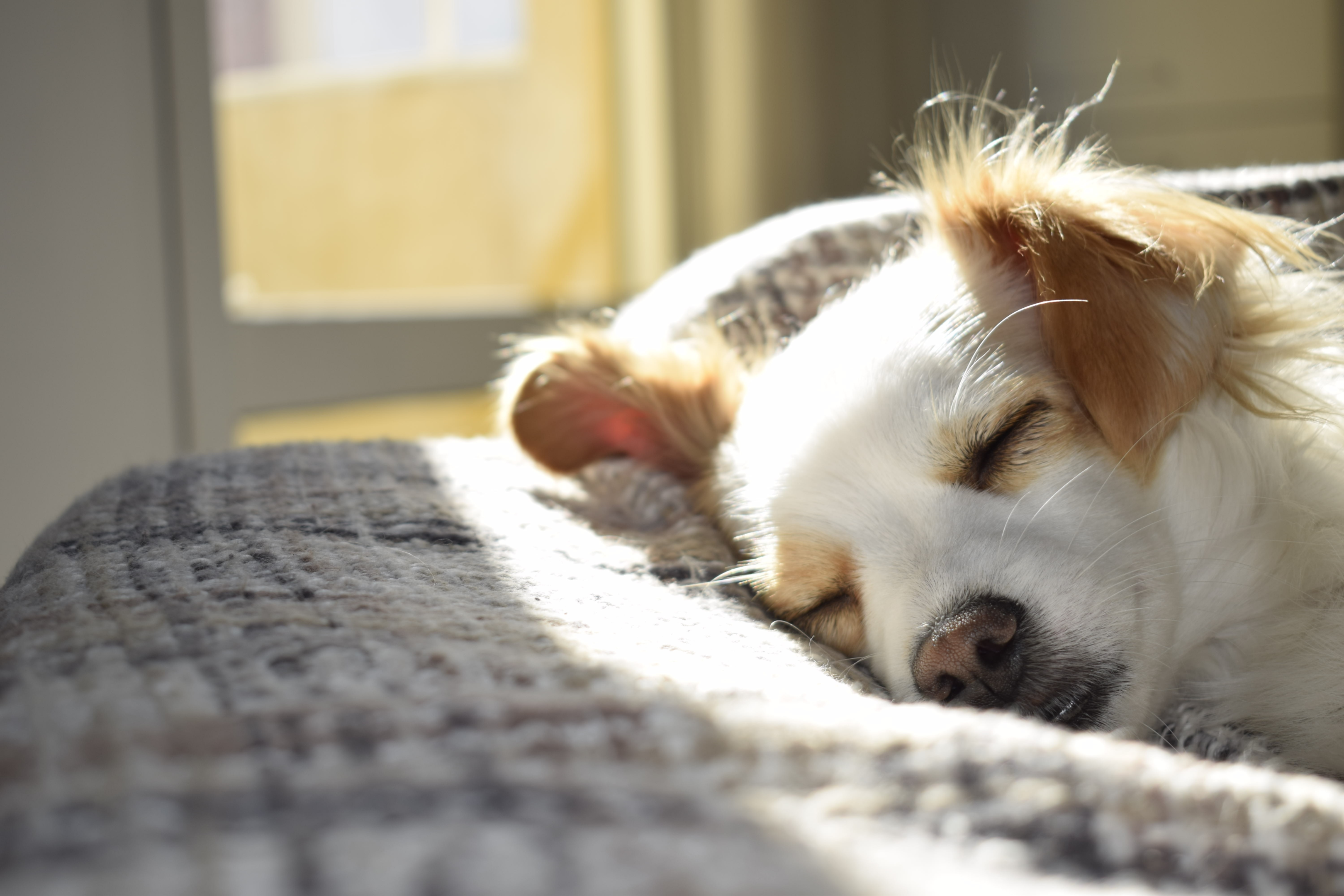
Dog Cold – Possible Causes
If a dog coughs, sneezes, or shows nasal discharge, the cause should be classified as accurately as possible. The symptoms can indicate harmless irritations, but also infections or other diseases.
If sneezing and coughing occur excessively often or the symptoms persist, dog owners should pay attention and have the dog examined by a veterinarian.
A coughing dog may suffer from an upper respiratory infection or inflammation of the nasal mucous membrane. However, it does not necessarily have to be a bacterial or viral disease.
Occasionally, dogs also sneeze after grooming or after rolling in the grass. This so-called "feel-good" sneeze is usually harmless.
Even during a walk or at the dog park, stress and overstimulation can lead to a kind of displacement activity, which manifests itself through sneezing.
Short-term irritation of the respiratory tract and nasal mucous membranes
A dog's nose is very sensitive. Perfume, cleaning agents, scented candles, or cigarette smoke can temporarily irritate the respiratory tract and trigger cold-like symptoms.
This can lead to slight, colorless nasal discharge, coughing, or sneezing. These symptoms usually subside quickly as soon as the irritant source disappears.
Allergies
Dogs can also suffer from allergies. Typical triggers include house dust, pollen, grasses, certain foods, or chemical ingredients in grooming products.
In such cases, in addition to sneezing and coughing, irritated eyes, nasal discharge, diarrhea, or vomiting often occur.
Foreign bodies in the nose
When romping in nature, small foreign bodies like blades of grass or seeds can get into the nose. This usually leads to reflexive sneezing.
If the foreign body remains stuck, persistent sneezing or nasal discharge may occur. In this case, a vet visit is advisable, as the foreign body often needs to be removed.
Excitement and Stress
New environments, unfamiliar dogs, or unusual noises can cause stress in dogs. In such situations, sneezing or clear, watery nasal discharge may occur.
These symptoms usually disappear once the stressful situation has passed.
Infections
Bacterial or viral infections are among the most common causes of colds in dogs. A typical symptom is a runny nose with altered nasal discharge.
If the nasal discharge is not clear, but yellow or greenish, the cause should be clarified by a veterinarian.
Tumors
Tumors or swellings in the nasal cavities can also cause cold-like symptoms. In many cases, only one nostril is affected.
This can make it harder for the dog to breathe and often results in unilateral nasal discharge.
Dental problems
Inflammation of the teeth or gums can trigger rhinitis, nasal discharge, and recurrent sneezing. The treatment of such dental problems should always be carried out by a veterinarian.
Since the nasal and oral cavities are closely connected, inflamed teeth can cause symptoms similar to a cold.
Additionally, loss of appetite and increased salivation often occur.
Dog Cold – What can be done?
A dog's cold is usually not an acute emergency, but it should be carefully monitored. Especially if the condition worsens or no improvement occurs, veterinary clarification is important.
To better assess the state of health, the symptoms should be carefully observed. This is the only way to initiate the appropriate treatment.
Recognizing Symptoms
The complaints can vary in intensity. Often, several symptoms occur simultaneously.
- Sneezing: Frequent sneezing can be harmless, but also indicate a cold or irritation.
- Coughing: Coughing can be dry, wet, or paroxysmal and, in individual cases, may also indicate more serious diseases.
- Runny nose: Viscous, yellowish, or greenish nasal discharge can indicate canine rhinitis or a respiratory infection.
- Nasal discharge: Clear discharge rather indicates a mild irritation, bloody discharge should always be clarified.
- Watery eyes: Yellowish eye discharge and crusting are common with infections.
- Fever: A body temperature above 39.5 degrees Celsius should be medically examined.
- Lethargy: Fatigue, weakness, and loss of appetite are typical accompanying symptoms of an infection.
Treating a Dog with a Cold
- The dog should be rested during the cold and get enough rest. Walks can be shorter and calmer.
- Drafts and cold should be avoided. A warm dog bed, a scarf, or a dog coat can be useful.
- For a runny nose and watery eyes, the nose and eyes should be kept clean. Crusting can be carefully removed with a damp cloth and lukewarm water or chamomile tea.
- The dog should always have access to clean drinking water. Alternatively, lukewarm chamomile tea can also be offered.
Is my dog contagious?
Whether a dog is contagious depends on the underlying cause. As long as symptoms persist, contact with other dogs should be avoided as a precaution.
Home Remedies for Dog Colds
In addition to rest and warmth, some home remedies can help alleviate the symptoms of a dog's cold. Inhalations and soothing herbs have proven particularly effective.
Among the most popular home remedies are inhalations with thyme or chamomile tea, as well as with saline solution. These can have a mucolytic, antibacterial, and anti-inflammatory effect.
Dosage and Administration
The following items are needed for inhalation:
- Carrier
- Dog blanket
- Cover cloth
- Bowl
- Boiling water
- Chamomile, thyme, or saline solution
First, the carrier is comfortably prepared. Then, the inhalation solution is made by pouring hot water over saline or tea.
The steaming, but no longer too hot, bowl is placed in the box at a safe distance. It is important that the dog cannot scald itself.
Some effective recipes
Besides chamomile, thyme, or saline, other home remedies can support the dog:
- Ginger: Freshly grated ginger can be mixed into the food in very small amounts and is said to have an antibacterial effect.
- Fennel honey: Fennel can soothe the mucous membranes. Together with a little honey, it can support the immune system. Puppies should not be given honey.
- Potato compresses: Crushed, lukewarm potatoes in a cloth can be placed around the neck as a warming compress.
- Yogurt mix: A mix of natural yogurt, grated apple, grated carrot, and a little honey can support the gut flora and provide additional nutrients.
Conclusion – Home remedies are practical and effective
When a dog has a cold, rest, warmth, plenty of fluids, and careful observation of symptoms often go a long way. Home remedies can further alleviate the symptoms, but they do not replace a veterinary examination for more severe or persistent symptoms.
It is important that the dog is rested and drinks plenty of fluids during the cold season. Herbal teas, inhalations, and adapted care can effectively support the recovery process.
FAQ – Frequently Asked Questions
What can cause a cold in dogs?
Various causes can lie behind a dog's cold, including upper respiratory infections, inflammation of the nasal mucous membrane, stress, allergies, irritation from perfume or smoke, foreign bodies in the nose, tumors, and dental problems.
When should you take a coughing or sneezing dog to the vet?
If sneezing and coughing occur excessively often or the symptoms persist, if the nasal discharge is yellow or greenish, becomes bloody, or if the dog has a fever above 39.5 degrees Celsius, is listless, or its condition worsens, a veterinarian should be consulted.
What symptoms indicate a cold in dogs?
Typical symptoms include frequent sneezing, dry or wet cough, viscous, yellowish or greenish nasal discharge, watery or irritated eyes, fever, loss of appetite, fatigue, and increased salivation.
How can you treat a dog with a cold at home?
The dog should be rested, get enough sleep, walks should be shorter and calmer, drafts and cold should be avoided. A warm dog bed, scarf or dog coat are useful. Nose and eyes should be kept clean, and the dog should always have access to clean drinking water or lukewarm chamomile tea.
What home remedies help with a dog's cold and how are they used?
Proven home remedies include inhalations with thyme or chamomile tea and saline solution, which have a expectorant, antibacterial and anti-inflammatory effect. For this, a steaming bowl with hot water and the ingredients is placed in a transport box with the dog, whereby care must be taken to prevent burns. Other home remedies include ginger in small quantities, fennel honey (not for puppies), potato compresses around the neck and a yogurt mix with apple, carrot and honey to support the intestinal flora.
Is a dog with a cold contagious to other dogs?
Whether a dog is contagious depends on the cause of the cold. As long as symptoms such as coughing and nasal discharge persist, contact with other dogs should be avoided as a precaution.
What role do stress and environmental irritants play in a dog's cold?
Stress from new environments, unfamiliar dogs or unusual noises can trigger sneezing and watery nasal discharge; symptoms usually disappear when the stress subsides. Environmental irritants such as perfume, cleaning agents, scented candles or cigarette smoke can temporarily irritate the sensitive dog's nose and cause cold-like symptoms.
How can you tell if a foreign body is stuck in a dog's nose and what should be done?
Reflexive sneezing after romping around in nature can indicate a foreign body in the nose. If the sneezing or nasal discharge persists, a veterinarian should be consulted, as the foreign body usually needs to be removed.
